Sacred & Heritage Trees
Kamō no Ōkusu — Japan’s Largest Camphor Tree, Its Lifespan
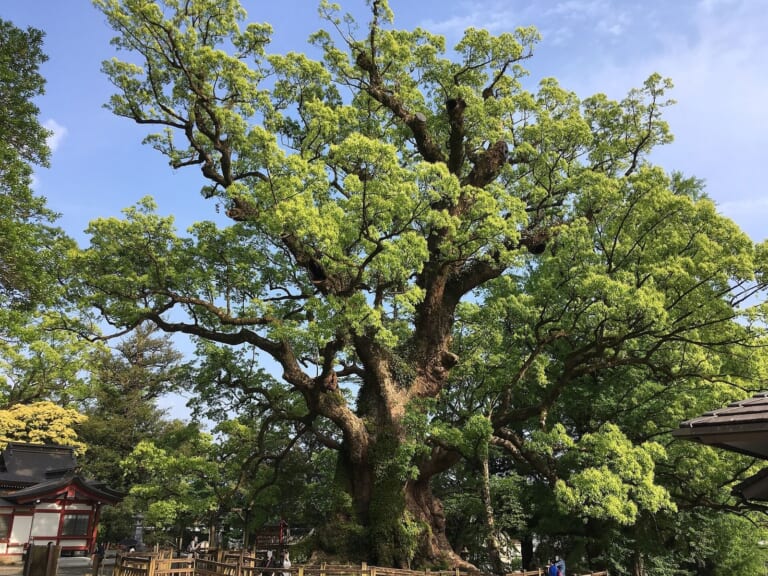
Kamō no Ōkusu (蒲生の大楠), the great camphor tree of Kamō Hachiman Shrine in Aira, Kagoshima, is the largest tree in Japan by…

Journal
Japan has a long habit of keeping very old trees alive and treating some of them as sacred. This shelf collects articles about shinboku (sacred trees), giant trees and veteran trees, written from the point of view of an arborist in Tokyo. I am interested in two questions together: what makes a tree revered, and what it actually takes to keep it standing.
The cultural side starts with the shinboku article, which explains what the word means and why reverence, not size or age, makes a tree sacred. A second piece follows a question from a university class about whether people in Japan grow up with special feelings for such trees, and how that reverence shapes the way they are cared for. A third looks at the science of why Japan's ancient trees can live for a thousand years: roots, genetics and centuries of care.
Then there are individual trees. You will find the 2,000-year-old camphor of Kinomiya Shrine, the 1,200-year-old ginkgo of Hida Kokubunji in Takayama, the Miharu Takizakura weeping cherry, Ishiwari-zakura, which has split a granite boulder in Morioka over 360 years, and Garyu-zakura, a cherry whose trunk was split by a 1991 typhoon and which specialists were told could not recover. Another article reads the scar tissue of Hiroshima's survivor trees, which still lean toward the hypocenter.
This shelf is for travellers planning to see these trees, for people who care for old trees elsewhere, and for readers curious about the link between belief and tree care. These three are a good place to begin.
Start here
Shinboku: Japan’s Sacred Trees, Explained by an Arborist
Why Do Japan’s Ancient Trees Live for a Thousand Years?
Cherry Tree Japan Was Told Could Never Recover
Sacred & Heritage Trees
Sacred & Heritage Trees
Kamō no Ōkusu (蒲生の大楠), the great camphor tree of Kamō Hachiman Shrine in Aira, Kagoshima, is the largest tree in Japan by…
Sacred & Heritage Trees
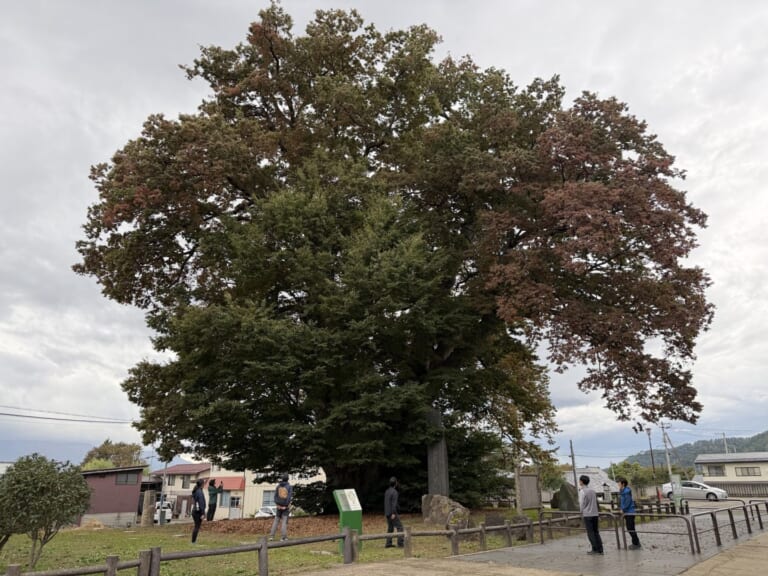
The Higashine Great Zelkova (東根の大ケヤキ, Higashine no Ō-keyaki) is a Japanese zelkova (Zelkova serrata, keyaki in Japanese) that stands in the schoolyard…
Sacred & Heritage Trees
“Do Japanese people grow up with special feelings for sacred trees?” A student asked me this in October 2026, when I gave…
Sacred & Heritage Trees
In short — what a shinboku is A shinboku (神木), or sacred tree, is a tree that a community in Japan has…

Sacred & Heritage Trees
Hiroshima's 159 registered hibakujumoku still lean toward the hypocenter, 62% within 15 degrees. An arborist reads what the scar tissue shows.

Sacred & Heritage Trees
A 1991 typhoon split Garyu-zakura's trunk and broke four limbs. Specialists said recovery was impossible. The 20-year root restoration that worked.
Sacred & Heritage Trees
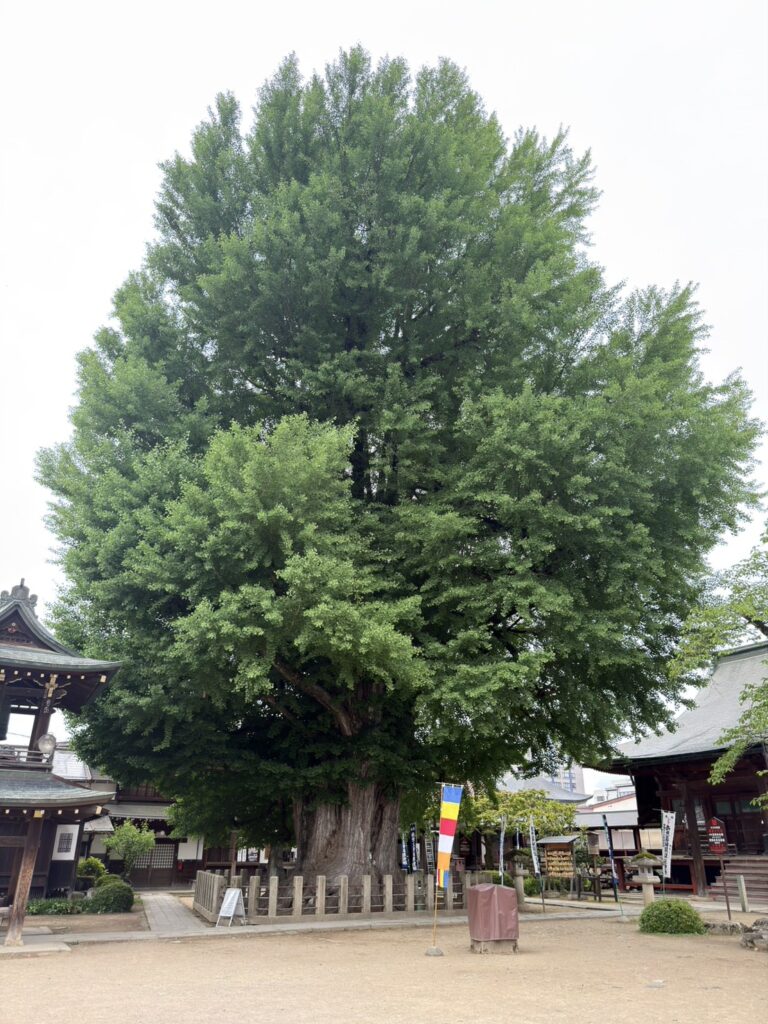
A 1,200-year-old ginkgo in Takayama, 27 m tall, with breast-like aerial roots called chichi, and a local saying that its falling leaves…
Sacred & Heritage Trees
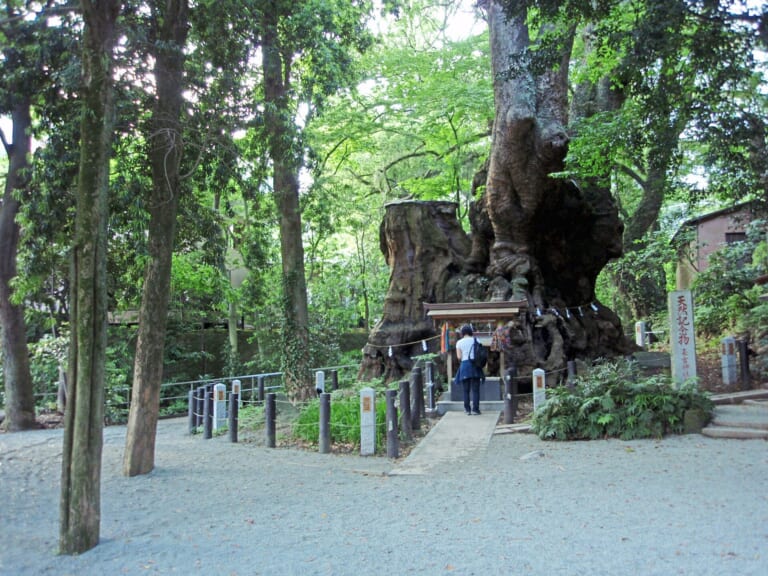
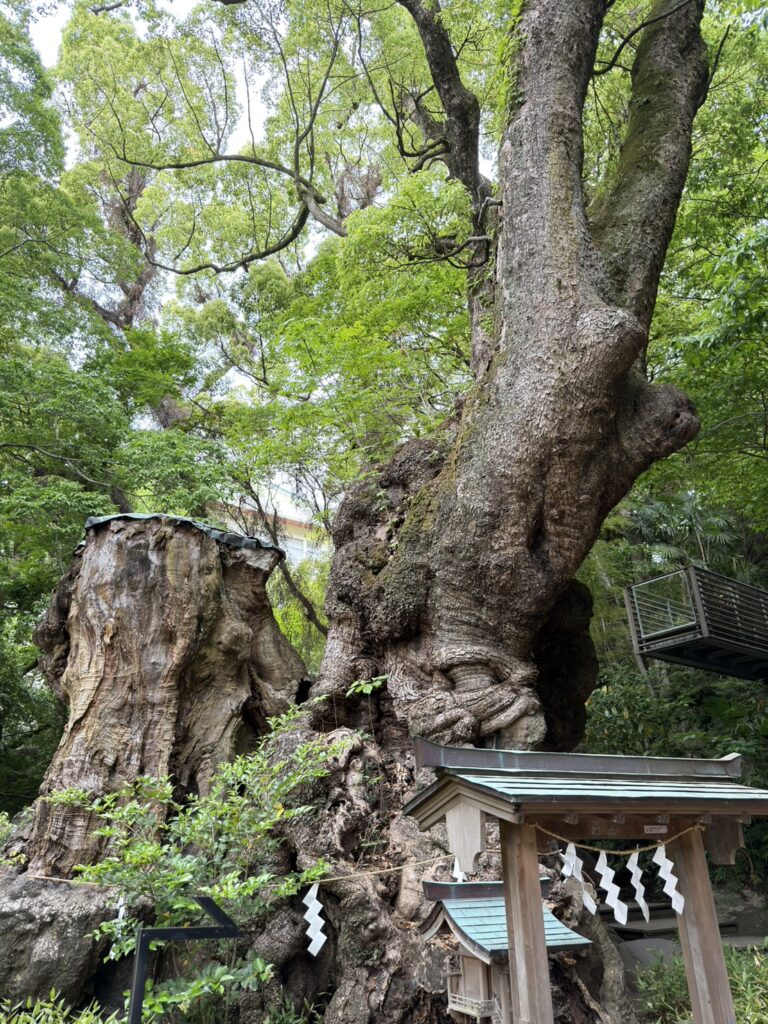
The 2,000-year-old camphor of Kinomiya Shrine: what keeps Japan's sacred giant alive, and what its care teaches about veteran tree management.
Sacred & Heritage Trees
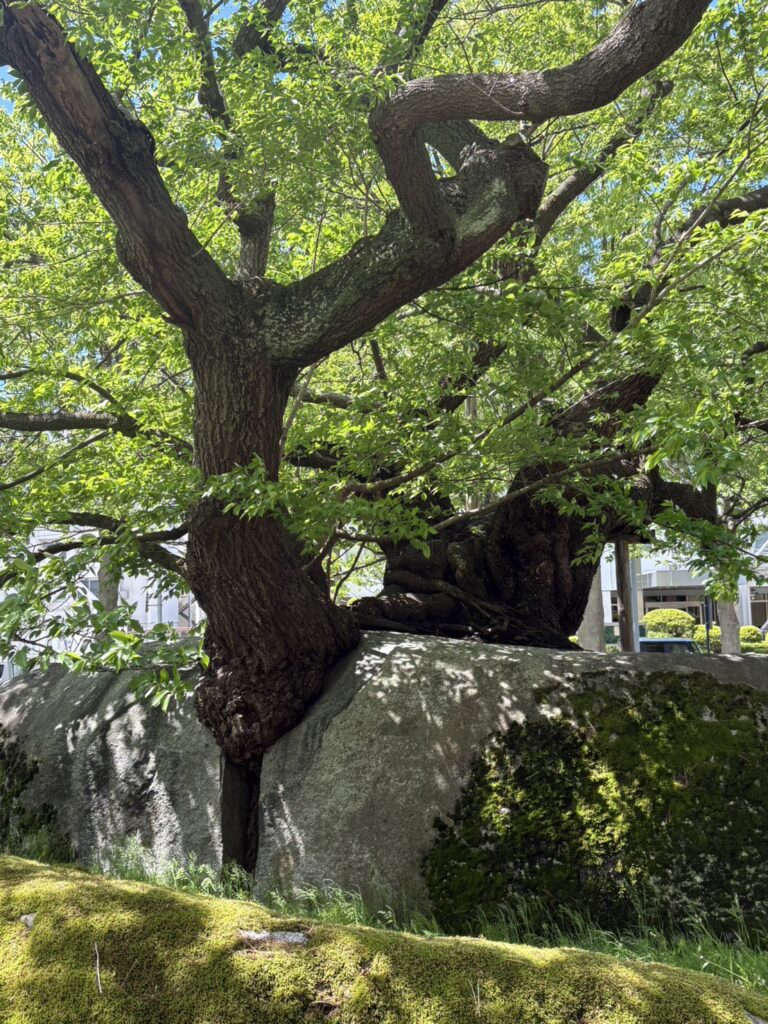
Ishiwari-zakura has split a granite boulder over 360 years. The biology, the legend, the care behind Morioka's stone-breaking cherry tree.

Sacred & Heritage Trees
Miharu Takizakura has bloomed for a thousand years. How Japan keeps its most famous weeping cherry alive, and what it means to…

Sacred & Heritage Trees
Why do Japan's sacred trees live a thousand years? Roots, genetics, and centuries of care — the science behind Japan's ancient giants.