Tools & Materials
Tobisho Pruning Shears — Inside the Yamagata Workshop
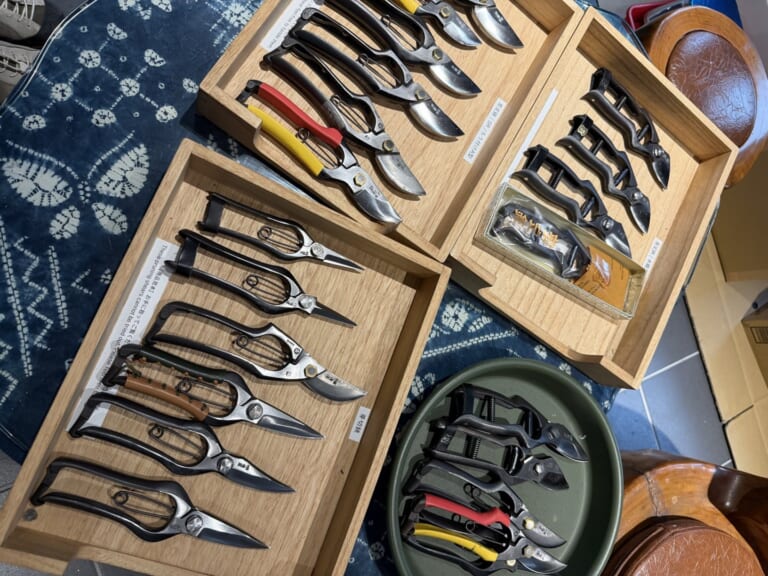
Tobisho (飛庄, tobishō) is a maker of pruning shears, bud snips and trimming shears in Yamagata City, in northern Japan. On the…

Journal
Good tree work in Japan depends on small, specific choices about tools and materials, and these choices are rarely explained in English. This shelf is where I collect those explanations. It is new, so it is still short, and it will grow as I write more about what I use and why.
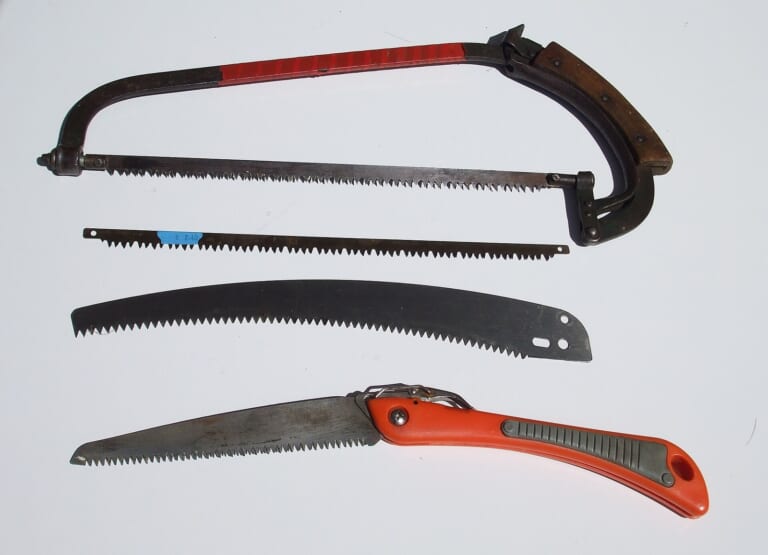
The pruning saw article starts with a simple fact: a Japanese saw cuts on the pull stroke. Pulling keeps the blade in tension, and a blade in tension can be much thinner than one that must survive being pushed. A thin blade removes less wood per stroke, which changes how you cut and how you choose a saw.
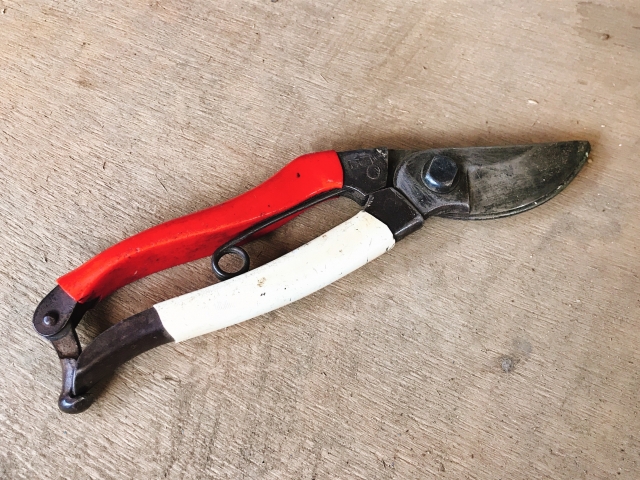
The shear article takes on a different problem. Choosing Japanese pruning shears by brand name is a good way to get stuck, because prices overlap and the shapes look alike. It explains how region and steel decide which pair suits your hand. A second article takes you inside the Tobisho workshop in Yamagata City, a maker of pruning shears, bud snips and trimming shears, and describes what I saw and was told during a visit.
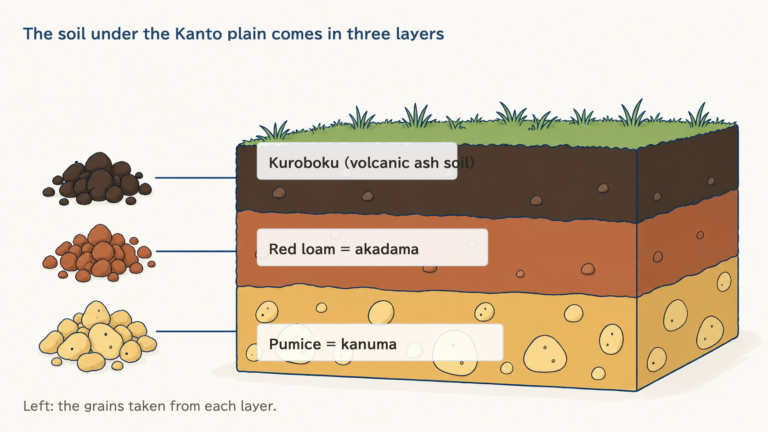
The soil article is about materials, not blades. In a Japanese garden centre you will see akadama and kanuma side by side, reddish-brown and yellow-brown granules that look like one product in two colours. They are not the same, and the article explains why Japanese soils come as grains and how akadama, kanuma and kuroboku differ.
The shelf is for gardeners, growers and professionals who buy Japanese tools or soils and want to understand them before they spend money. It will not tell you which brand to buy, only what to look for. Begin with these three.
Start here
Japanese Pruning Saws — Why They Pull, How to Choose One
Japanese Pruning Shear Makers: How Region and Steel Decide Which Pair You Need
Akadama, Kanuma, Kuroboku: Why Japanese Soils Come as Grains
Tools & Materials
Tools & Materials
Tobisho (飛庄, tobishō) is a maker of pruning shears, bud snips and trimming shears in Yamagata City, in northern Japan. On the…
Tools & Materials
A Japanese pruning saw cuts on the pull stroke because pulling keeps the blade in tension, and a blade in tension can…
Tools & Materials
Choosing Japanese pruning shears by brand name is a reliable way to get stuck. The prices overlap, the shapes look alike, and…
Tools & Materials
Walk into a Japanese garden centre and you will see two bags side by side: reddish-brown granules labelled akadama, and yellow-brown granules…