Trees in Tokyo
Japanese Tree Staking — Torii Supports vs Western Advice
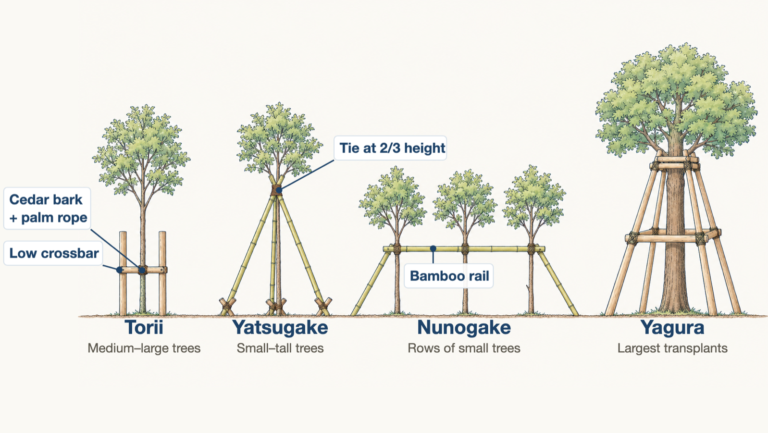
How long should a newly planted tree stay staked? US university extension services usually answer six months to one growing season, two…

Journal
I work as an arborist in Tokyo, and the city's trees are what I see every day. This shelf collects articles about street trees and the problems of living with trees in a dense city. It is useful for residents, including foreigners who are puzzled by what happens to trees in Tokyo, and for people who manage urban trees elsewhere.
The first article looks at why Tokyo's street trees look immaculate and yet many are quietly failing, and what would fix it. A second explains why Japanese street trees stay so small. It reports that Tokyo's canopy fell from 9.2% to 7.3% while London holds 22%, and gives four structural reasons, with Barcelona as a comparison. The third deals with the falling-trees crisis: Japan planted millions of trees after World War II, they are now ageing together, and the result is a rising number of failures with lessons for other cities.
Other articles are about how trees are handled once they are in the ground. One looks at Japan's wind-resistant pruning methods, based on the fact that roughly 25 typhoons approach Japan each year, and explains why heavy one-time pruning can backfire. Another compares how long a newly planted tree should be staked in Japan with the advice given by US extension services, which is much shorter.
The shelf is not about parks or tourist sights. It is about ordinary trees along roads and between buildings, and how space and maintenance decide what they become. I use examples from Japan, but the structural problems will be familiar elsewhere. These three are a good place to start.
Start here
Tokyo Street Trees: Why They Look Beautiful — and Why They’re Struggling
Why Are Japanese Street Trees So Small? Lessons from Barcelona, Athens, and Hanoi
Japan’s Falling Trees Crisis: When the Postwar Planting Boom Reaches Its Limit
Trees in Tokyo
Trees in Tokyo
How long should a newly planted tree stay staked? US university extension services usually answer six months to one growing season, two…
Trees in Tokyo
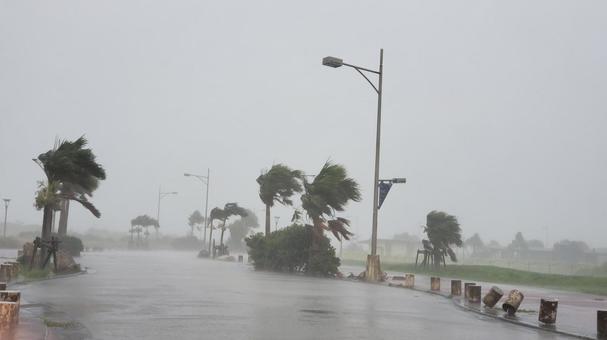
Roughly 25 typhoons approach Japan a year. Why heavy one-time pruning backfires, what lion-tailing and topping do, and how to let wind…
Trees in Tokyo
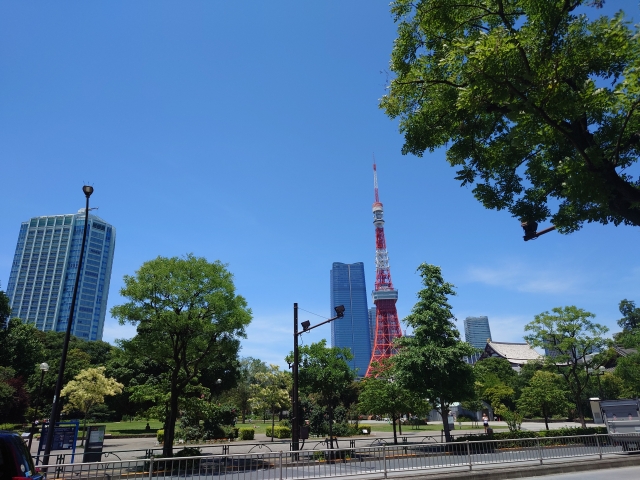
Tokyo's canopy fell from 9.2% to 7.3% while London holds 22%. Four structural reasons Japanese street trees stay small, and what Barcelona…
Trees in Tokyo
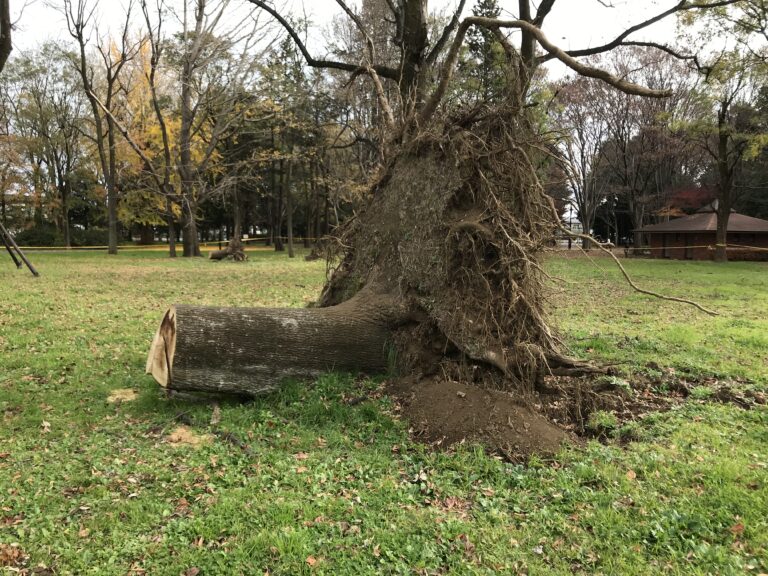
Japan planted millions of trees after WWII. They are aging out together — falling. Inside Japan's street tree crisis, with lessons for…

Trees in Tokyo
Tokyo's street trees look immaculate yet many are quietly failing. A Japanese arborist explains the beauty, the stress, and what would fix…