

By Isaki Kasahara, a Japanese arborist pruning, assessing and caring for Japan’s trees and gardens · Updated November 25, 2026
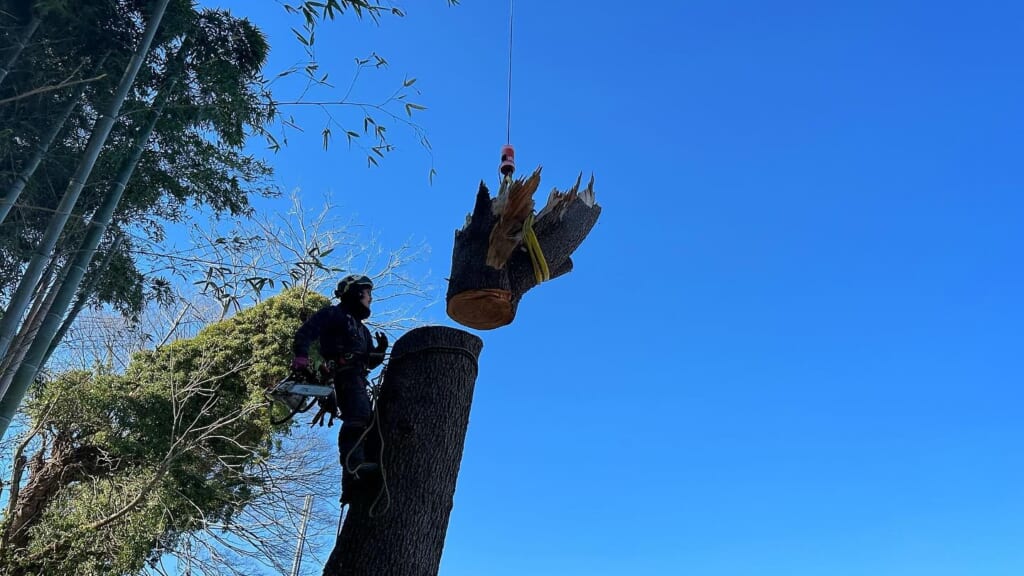
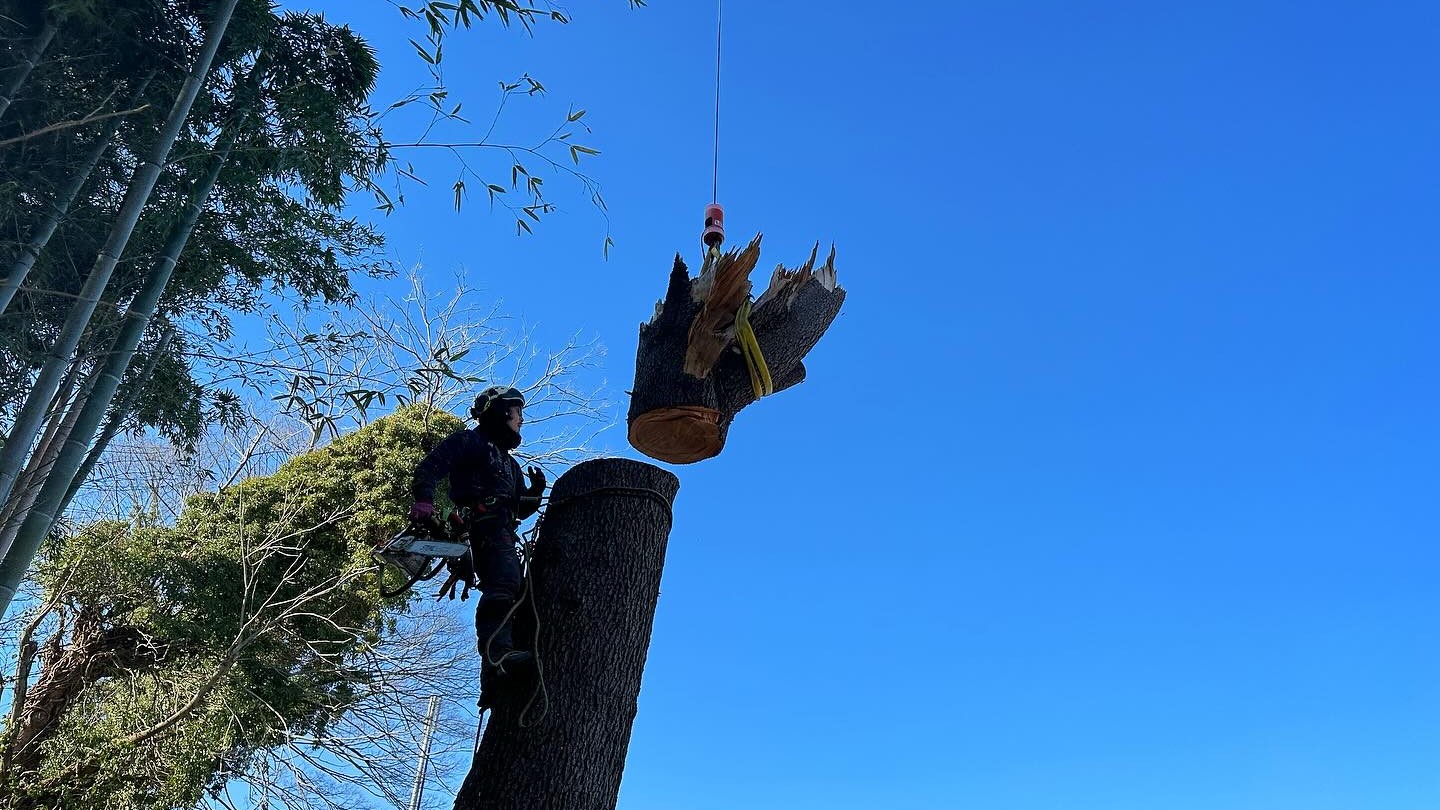
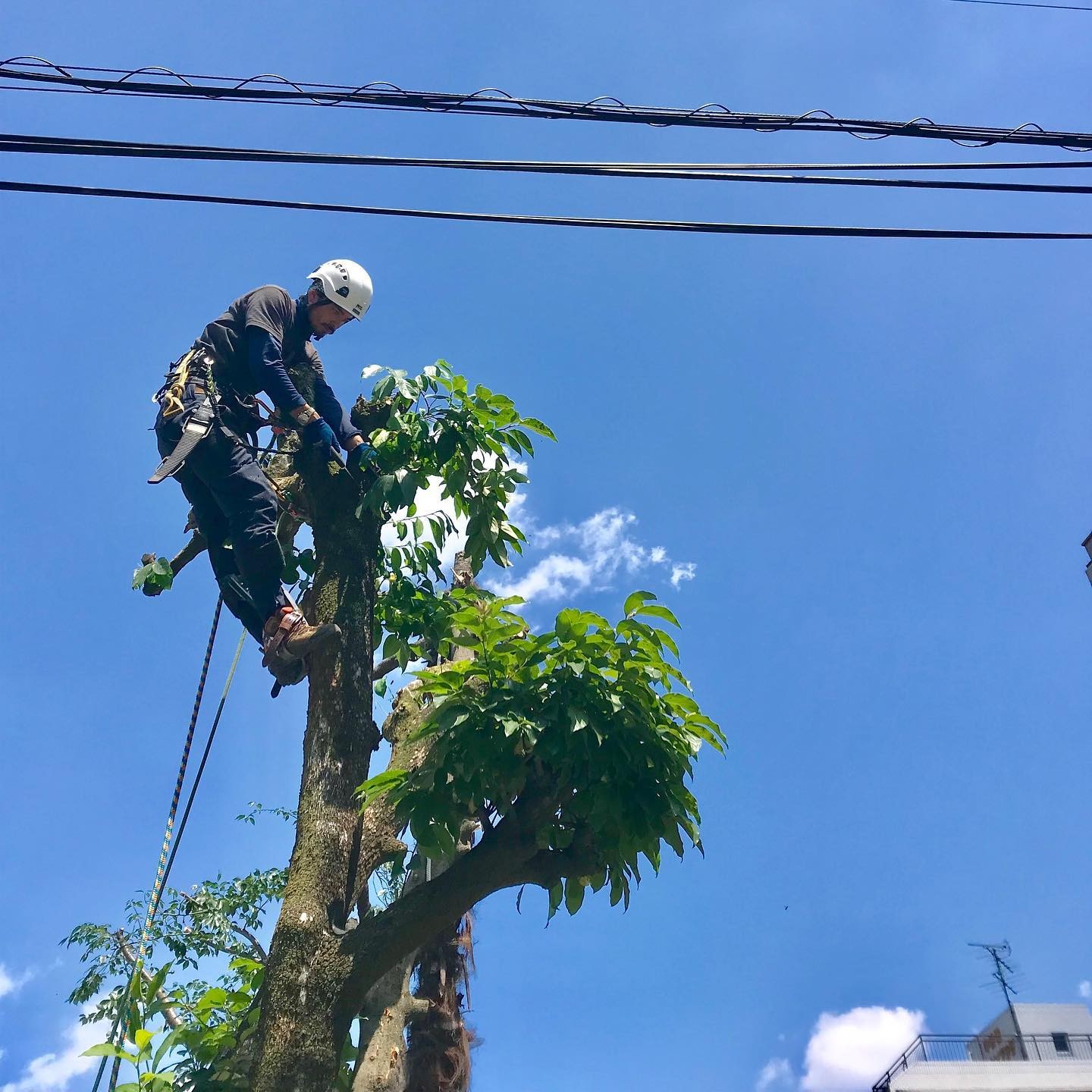
A sorashi (空師) is a Japanese tree worker who climbs a tall tree on rope and works in the crown — pruning and removing dead branches on trees that stay, and, when a tree must go, taking it apart from the top and lowering each piece under control instead of felling it whole. Sorashi are called in where a tree cannot be dropped — over a shrine hall, a house roof, a narrow road or a power line — and in Japanese specifications today the work falls under tokushu bassai (特殊伐採), “special felling”, and its rope-lowering form, tsurushi-giri (吊し切り).
Below: the name and its limits, climbing, rope lowering, Japanese safety rules, sacred trees, and how the sorashi compares with the tree surgeon in Britain and the climbing arborist in the United States.
A tree that cannot fall — where the sorashi starts
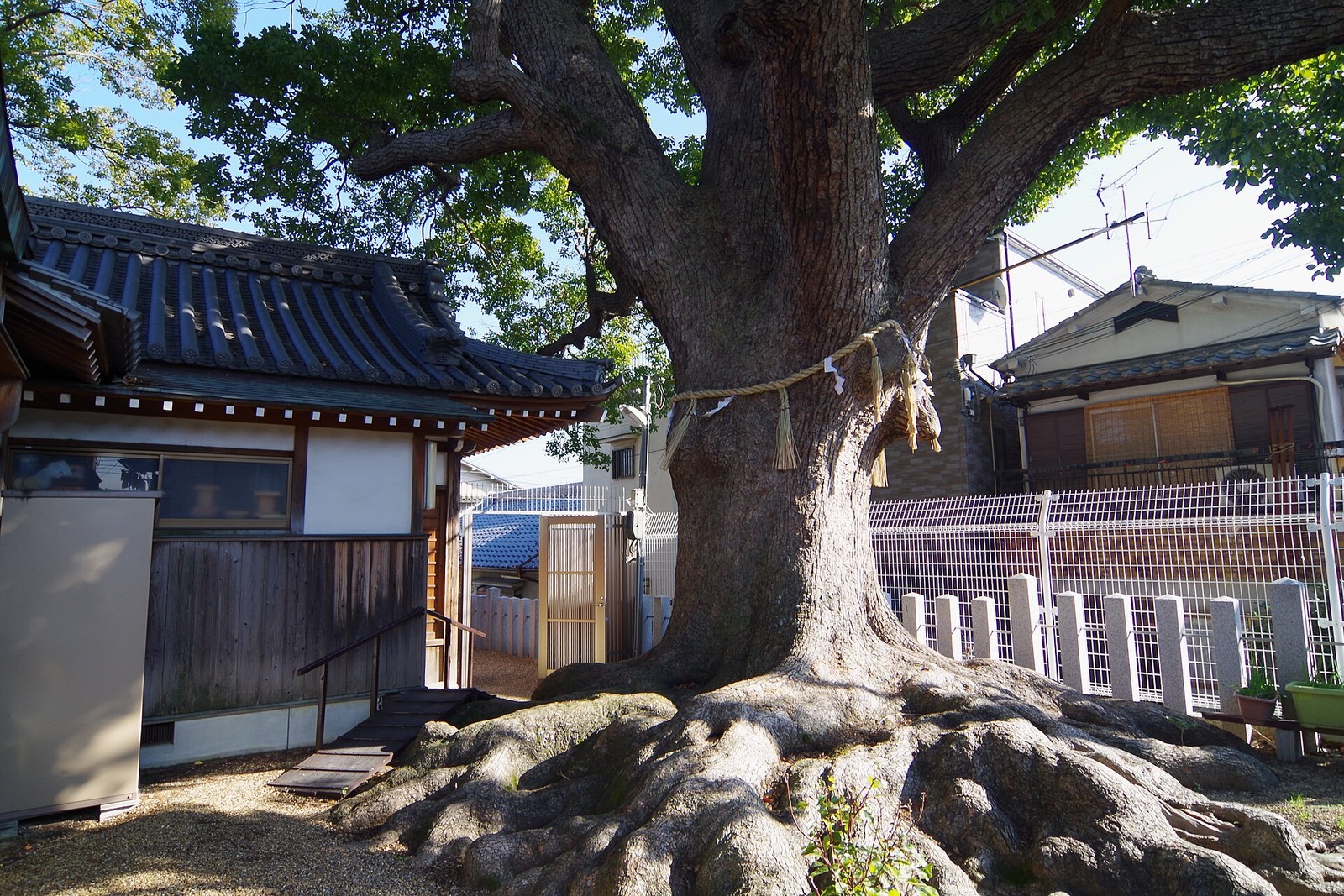
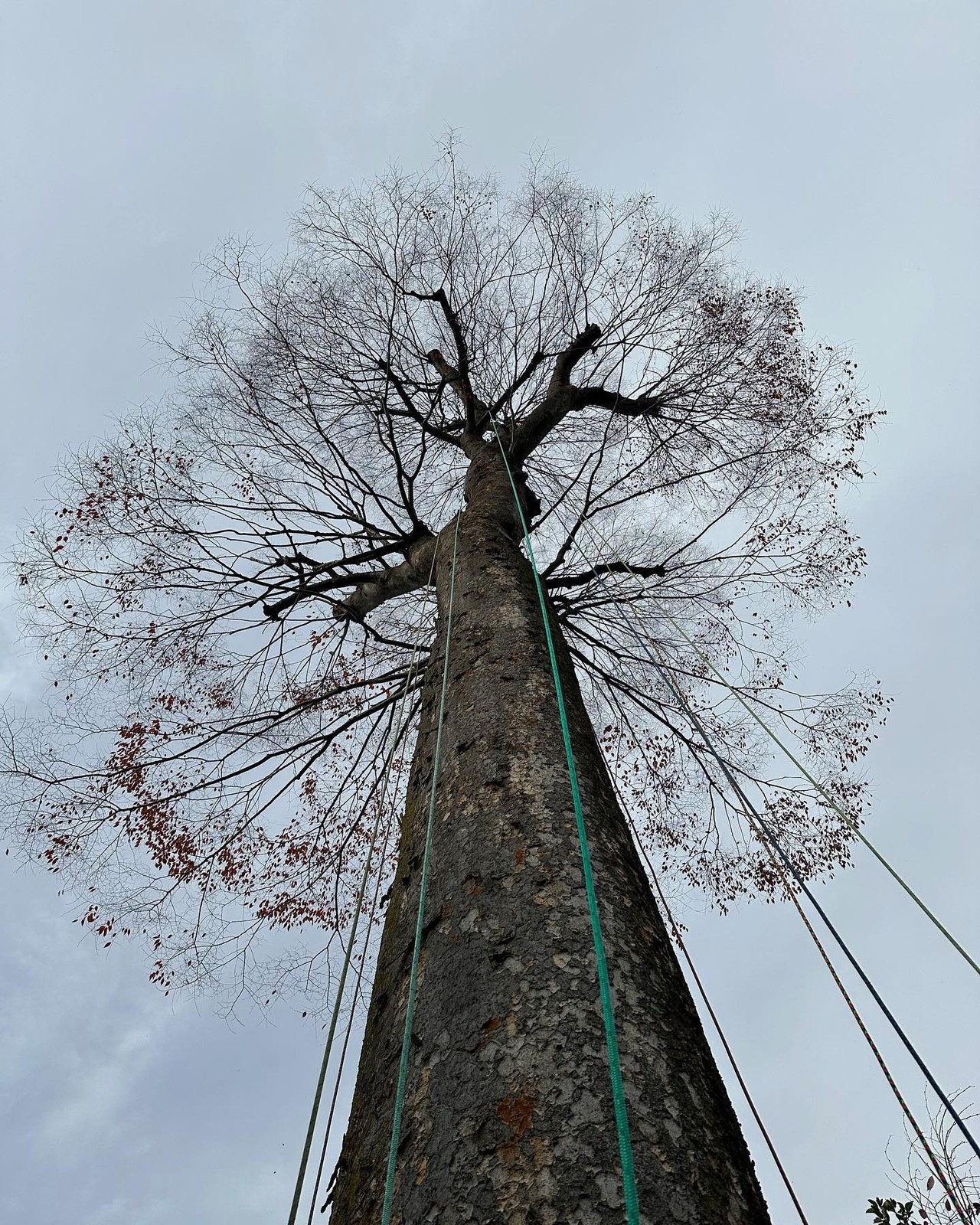
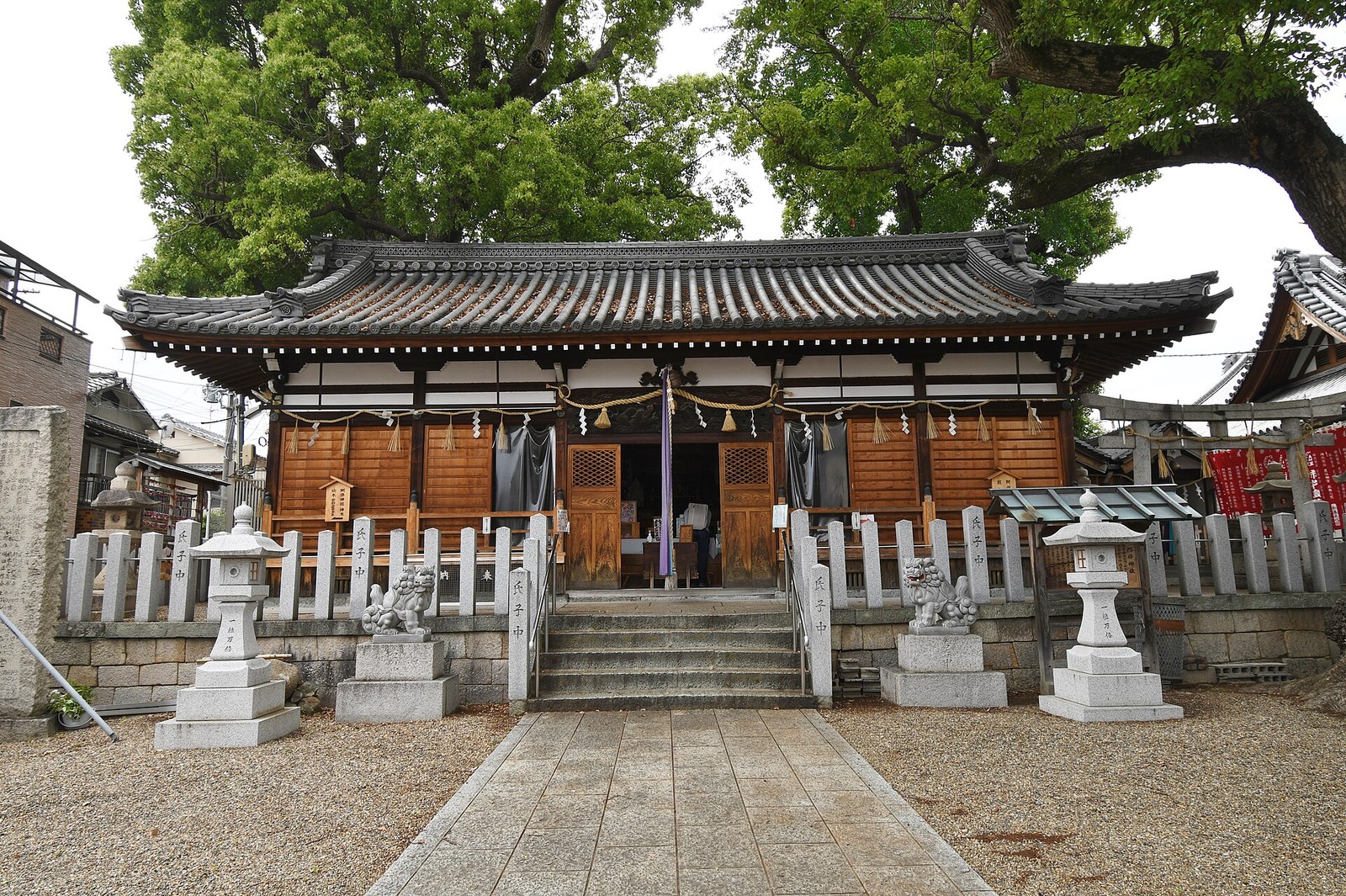
Ao Shrine (阿保神社) has published a plan for its sacred camphor that reads like a brief for a sorashi. The shrine describes branches that could fall on the main hall and the grounds, and roads around the precinct too narrow for large machinery to enter. A crane cannot come in, and a sacred tree is not something the shrine wants gone. The shrine’s answer is to bring in what it calls a sorashi — in its words, “a specialist who works up in the tree using ropes”.
What the shrine says it needs
The plan is worth reading closely, because it shows what the work is for. The shrine lists two tasks: removing and disposing of dead branches, and a first round of thinning (mabiki sentei, 間引き剪定). The aim is to keep the tree, not to remove it. Note that this is a plan published by the shrine, not a report of finished work; we describe it as the shrine describes it.
So the first thing to understand about the sorashi is that the job is not only taking trees down. It is working in a tree that has to stay where it is — sometimes to save it, sometimes to dismantle it, and always without letting anything fall where it should not.
Why a climber and not a machine
In open ground, a tree that has to go is felled: a notch, a back cut, and the tree goes over in one direction. In a crowded precinct or a residential street, every direction holds something — a roof, a fence, a wire, a parked car. The usual fix elsewhere is a crane or an aerial lift, and Japan uses both. But a machine needs a place to stand. Where the lane is narrow or the tree stands behind a building, climbing the trunk becomes the practical way into the crown.
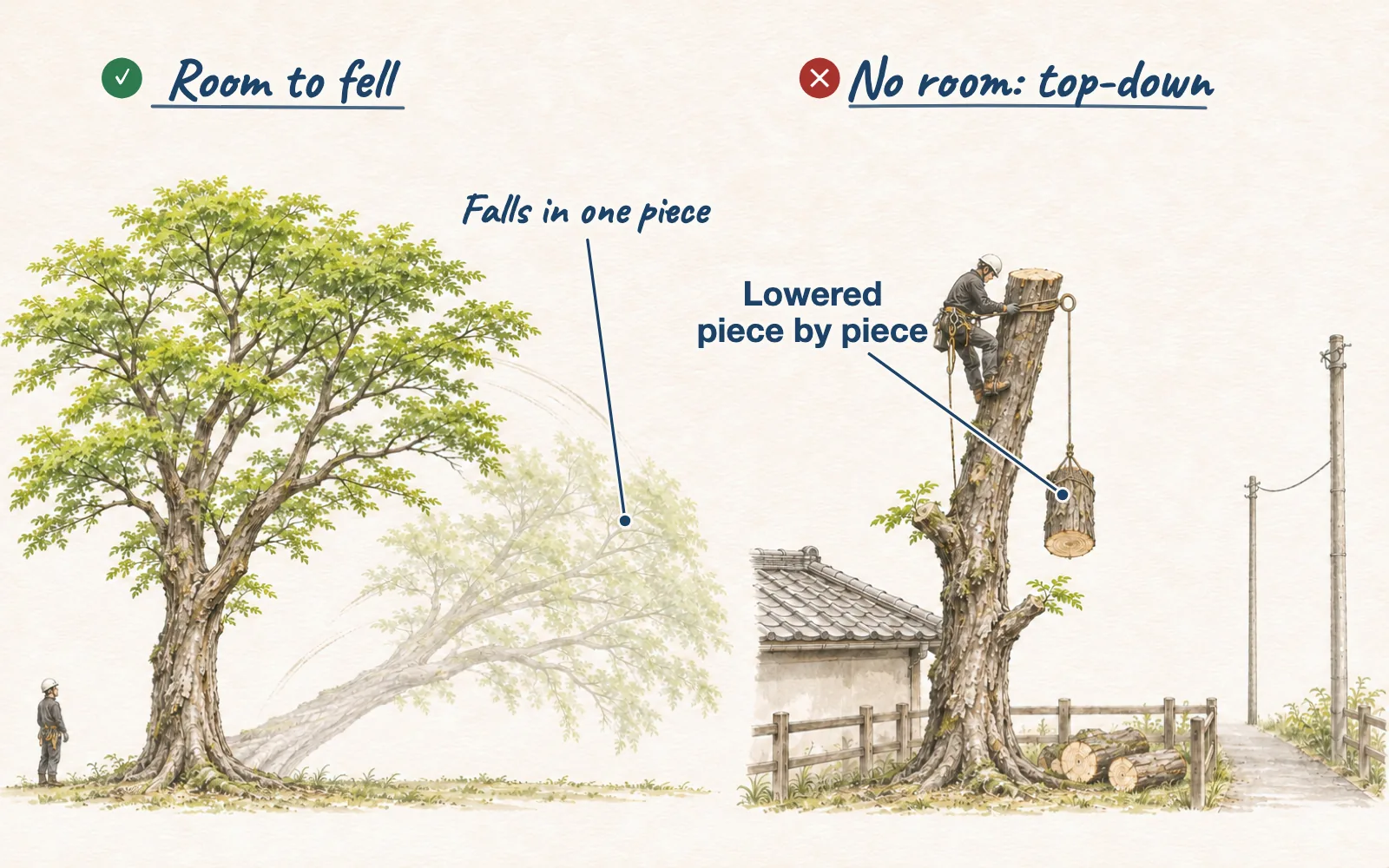
A forestry technical paper published by Japan’s Forestry Agency (林野庁) lists the places where hazardous trees have to be dealt with: lifelines such as roads, railways and distribution lines; houses; shrines and temples; and public facilities. Every item on that list is a reason the tree cannot simply be pushed over.
The name — sky and master
The two characters of sorashi are 空, “sky”, and 師, a suffix for a skilled practitioner or master — the same character that ends words for teachers and craftsmen. Read literally, it is “sky master”, which is where the English nickname in this article’s title comes from.
What the word says — and what the dictionaries do not
Here we have to be careful. We looked for sorashi as a job title in the Japanese dictionaries collected on Kotobank, including the Seisen-ban Nihon Kokugo Daijiten and the Digital Daijisen, and did not find an entry with an origin or an early example. The popular explanation — that the name comes from working close to the sky — fits the characters, but we found no source that establishes it as the etymology, and no date or person credited with coining it. The word lives in practice: in how shrines, crews and public papers use it.
Two public sources show that use. The Forestry Agency paper refers to “the traditional techniques of rope tree-climbing and work aloft of the sorashi” as something modern rope-based special felling draws on. Ao Shrine uses the word for a rope-working specialist in the crown. Neither offers a definition beyond that, and you will also see a figure for how many sorashi remain in Japan repeated online; we could not find a count with a stated method behind it, so we do not give one.
The older words around it
Japanese has a family of older words for people who cut trees, and it is tempting to draw a family tree from them to the sorashi. The dictionaries support the meanings of each word, but not a line of descent.
| Word | Reading | Dictionary meaning | Relation to sorashi |
|---|---|---|---|
| 杣 | soma | Both a mountain where timber is cut and a person whose trade is cutting it; the Konjaku Monogatarishū (c. 1120?) is cited for the person sense | Cuts trees in the forest; no documented link |
| 木挽 | kobiki | Sawing logs into squared timber and boards with a large rip saw (ōga, 大鋸), and the person who does it; earliest example given from the 12th-century Sankashū | A sawyer more than a climber; no documented link |
| 樵 | kikori | Cutting trees in mountain forest, and the person who does it | The everyday word for a woodcutter; no documented link |
| 鳶の者 | tobi no mono | A person engaged in civil engineering and building work | A construction trade; not given as a synonym of sorashi |
| 空師 | sorashi | No dictionary entry with origin found | Climbs and cuts aloft; used by shrines and public papers |
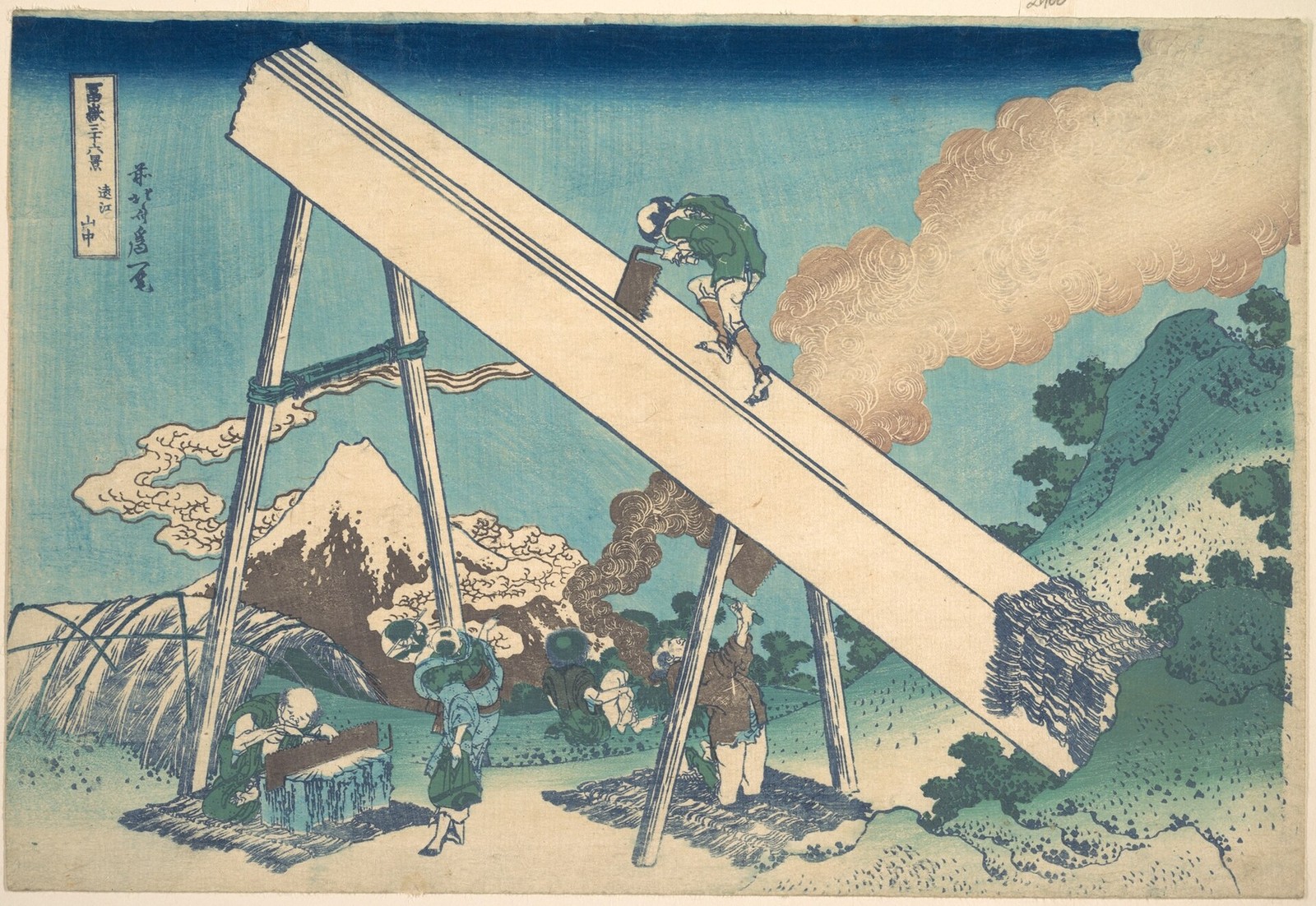
The honest reading of this table is that the sorashi sits beside these trades rather than clearly descending from one of them. A soma worked in the mountains, a kobiki turned logs into lumber, a tobi worked on buildings. The sorashi works up in a single tree, very often in a town, and what defines the job is height and control rather than the forest.
Tokushu bassai — the official vocabulary around the craft
The word sorashi names the person. Public documents in Japan name the method, and they do so in more detail than any dictionary.
Special felling, defined
A technical manual from Nagano Prefecture defines tokushu bassai as a method used when ordinary felling is difficult: the tree is cut from the top, and the cut parts are lowered by suspension or similar means. The same definition includes pruning that removes only branches or the top of the tree, so trees that stay are within its scope too.
Nagano’s classification then separates the ways of doing it. One of them is exactly the sorashi’s method: the worker goes up the tree using rope work, makes the cuts, and lowers the cut branches and trunk to the ground by rope control. Other families in the same classification use machines, such as cranes or the grapple-saw trucks that are the manual’s main subject.
Tsurushi-giri — the rope version
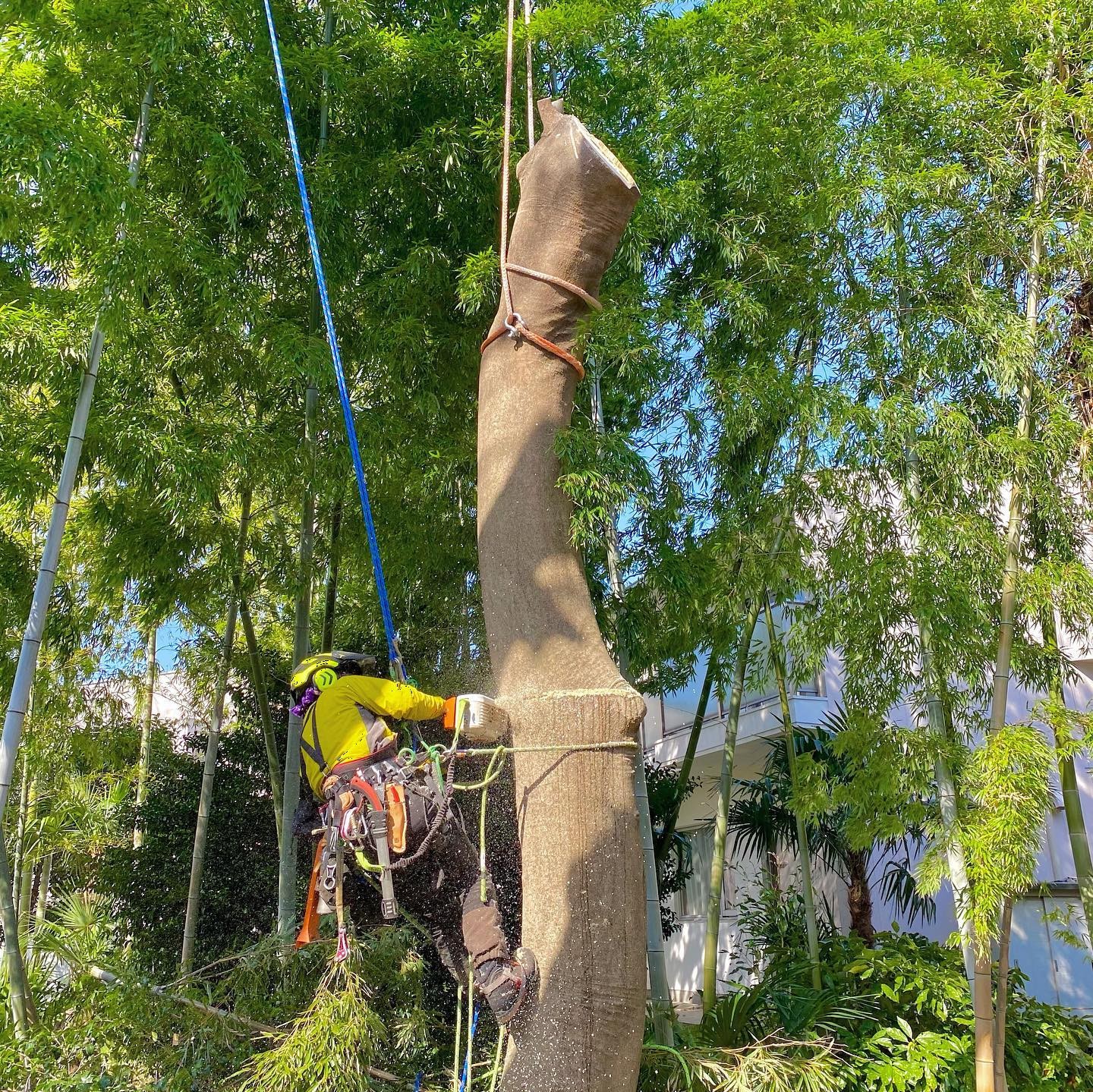
The City of Yokohama, in a supplementary note for park maintenance contractors, defines tsurushi-giri bassai (吊し切り伐採) for costing purposes. It is the work of lowering branches or trunk pieces that cannot simply be dropped straight down, “guiding them to a designated place using at least two ropes, one to prevent falling and one for guidance”. Yokohama is explicit that not every job involving rope falls into this category; the category is for the controlled, guided lowering.
That is the heart of rope lowering as Yokohama defines it: the piece is not simply cut and let go, but held on one rope while a second steers it to where it can land.
Rope or crane — two answers to the same problem
When a crane can stand near the tree, the same top-down logic is carried out with the crane holding each piece. We have written separately about crane-assisted tree removal in Japan, including permits, load charts and weight estimates. The sorashi’s rope method is the answer for the many sites where no crane can reach: inside a precinct, behind a house, on a slope, or under limbs that a crane boom cannot thread through.
Going up — from buri-nawa to rope systems
Before anything can be cut, the climber has to get into the crown. Japanese forestry has a long record of climbing trees for work, above all to prune branches from the stems of planted trees.
Buri-nawa — the forester’s rope
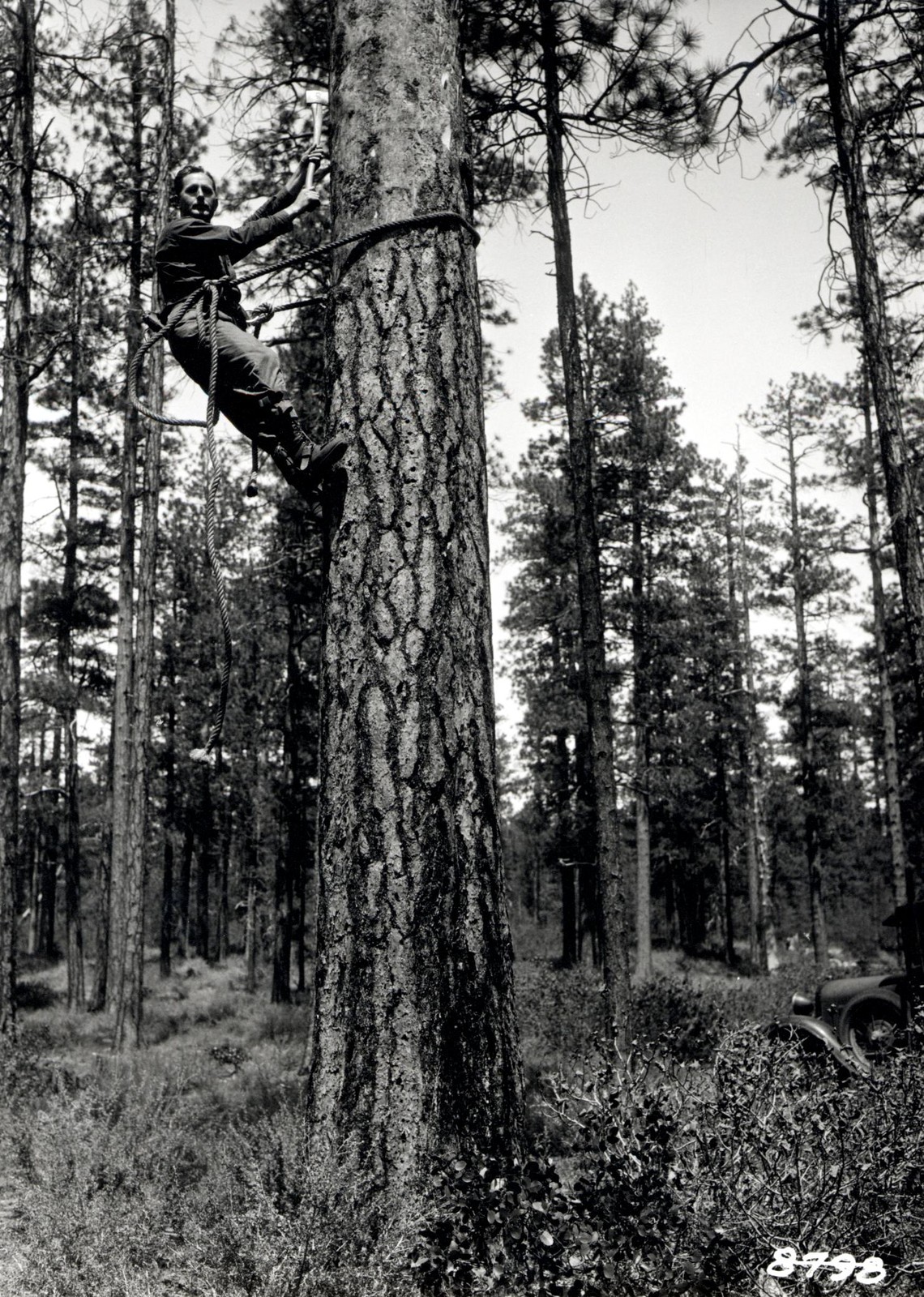
An old Forestry Agency work report on improving climbing ladders for branch pruning lists the tools that had been used “from before”: a two-pronged climbing frame (futamata, 二又), buri-nawa (ブリ縄), and wooden and metal ladders. A Forestry Agency office in Yamaguchi recorded a demonstration at a volunteer thinning day in 2017, describing a forester climbing “lightly” up a tree with buri-nawa to prune its branches.
The Forestry Agency’s paper on rope-based special felling lists the older climbing methods side by side: buri-nawa, ladders, and climbing aids fixed to the feet (shōkōki, 昇高器), with a safety belt at the waist.
Rope systems — MRS and SRS
Alongside these sits rope-and-harness climbing of the kind arborists use worldwide, in which the climber hangs from a rope anchored high in the tree. The same Forestry Agency paper describes special felling built on tree climbing and connects it with the traditional rope techniques of the sorashi.
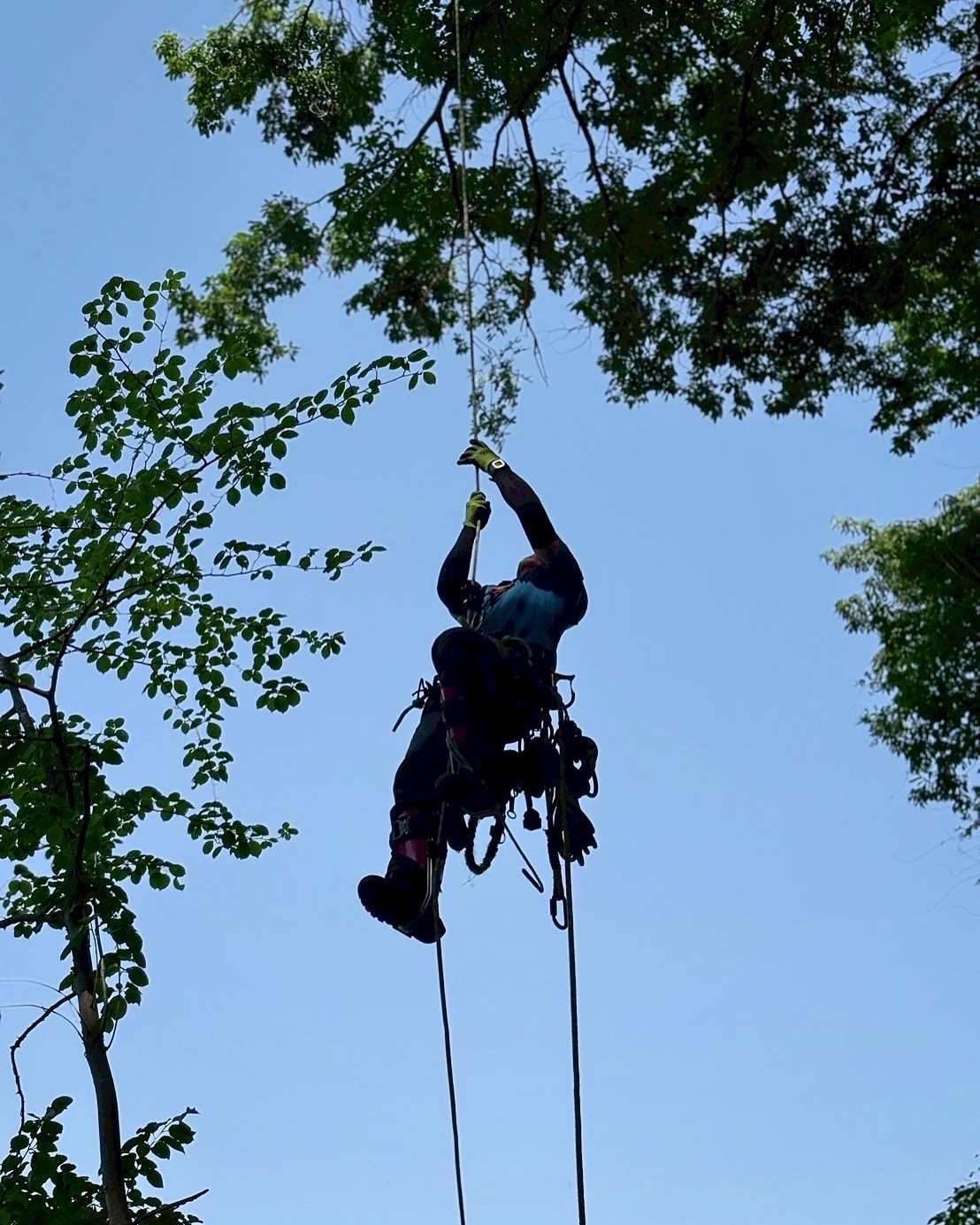
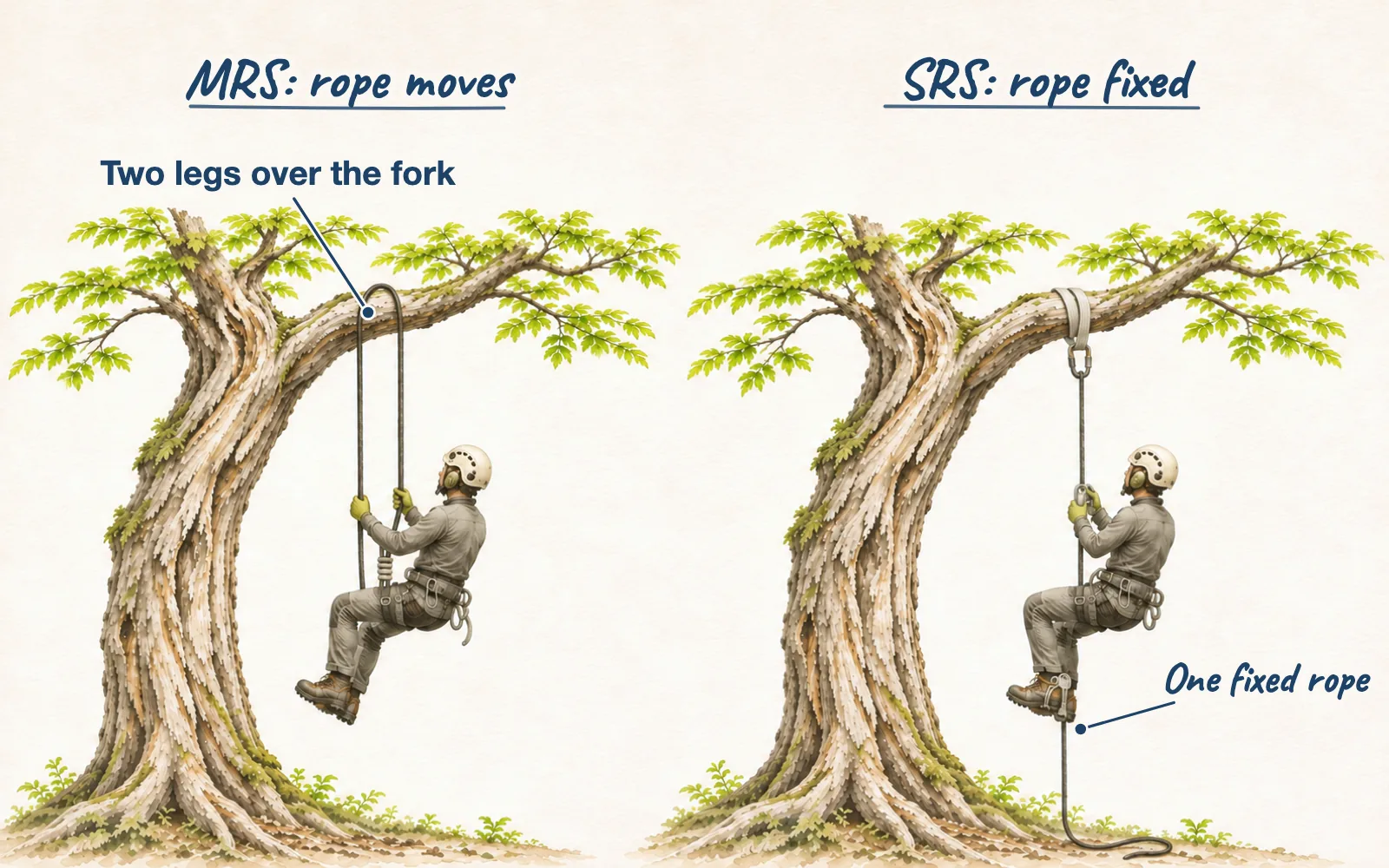
The vocabulary has its own Japanese twist. Tree Climbing Japan, an organisation that trains and certifies climbers, recommends replacing the older English abbreviations DRT and SRT with MRS (Moving Rope System) and SRS (Stationary Rope System). In MRS the rope runs over an anchor and moves with the climber; in SRS the rope is fixed and the climber ascends it. You will meet both sets of terms in Japan.
| Method | How the climber is held | What it suits |
|---|---|---|
| Buri-nawa (ブリ縄) | A traditional rope method for climbing the trunk | Recorded for branch pruning in forestry |
| Ladders, futamata frames | Stands on a ladder or frame against the trunk | Recorded for branch pruning in forestry |
| Climbing aids on the feet (shōkōki) with a waist belt | Stands on the aids, belted to the trunk | Ascending a trunk |
| MRS (formerly DRT) | Hangs from a rope that runs over an anchor and moves with the climber | Moving through the crown and out along limbs |
| SRS (formerly SRT) | Ascends a rope that is fixed in place | Reaching a high anchor efficiently |
A word on spikes
Spikes strapped to boots are part of removal work in many countries, and the question of when they may be used is a live one among arborists. We can quote one clear line: the International Society of Arboriculture’s public guide to pruning says that climbing spikes should not be used to climb palms for pruning. We did not confirm the wording of the current ANSI A300 standard on spikes in living trees more broadly, so we leave it there.
In the crown — positioning, saw and the cut
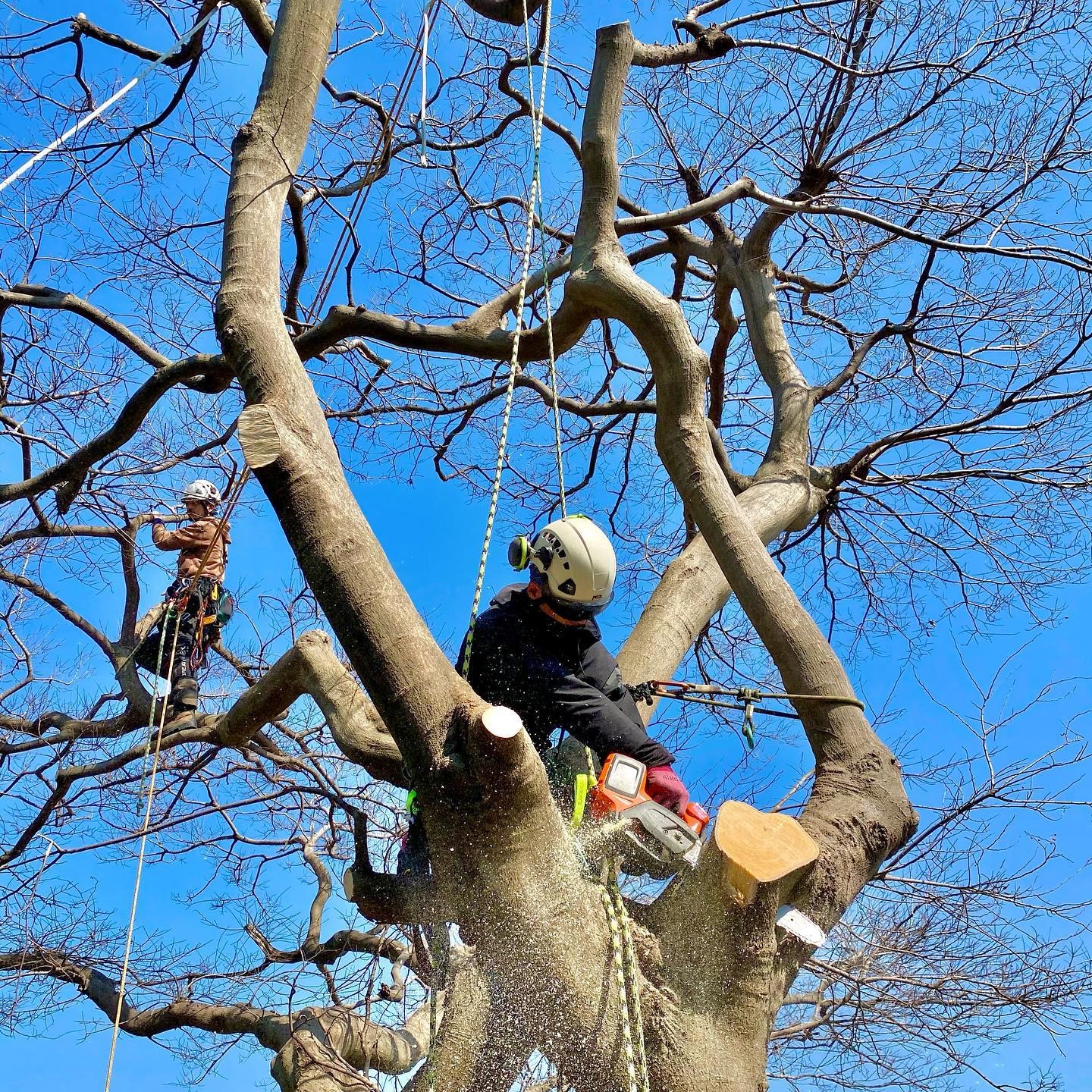
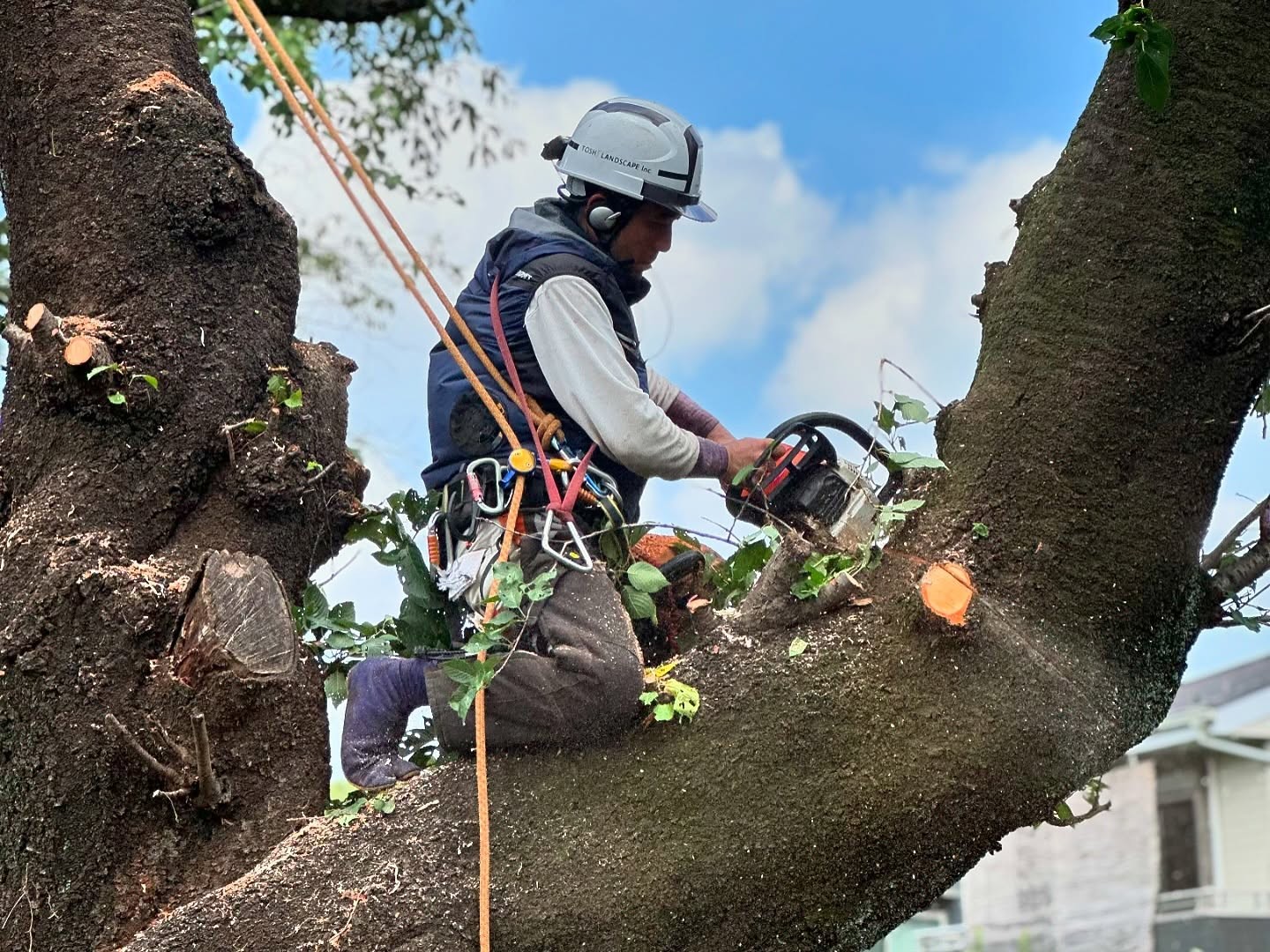
Once in the crown, the sorashi’s work has three parts: holding position, cutting, and controlling what was cut. The first two are covered in this section; the third has its own section below.
Holding position
A climber cannot cut safely while swinging. Japanese training courses for working climbers teach lanyard positioning, in which a second, adjustable line around the stem or a limb pins the climber in a stable working stance, alongside pruning and hand rigging. The Arborist Training Institute’s course outline lists “lanyard positioning technique” and “hand rigging technique” as separate modules.
The saw
Saws made for work aloft have the handle on top. Husqvarna’s Japanese site lists these “top-handle saws” among its tree-care saws as “ideal for work in the tree, pruning and partial felling”.
Where the cut goes
On the ground in Japan, the basic felling cut is set out in law. Article 477 of the Industrial Safety and Health Regulations requires a worker felling a standing tree with a breast-height diameter of 20 cm (about 8 in) or more to make a face notch at least a quarter of the stump diameter deep, with an appropriate back cut, and to leave an appropriate hinge.
Up in the crown, that article does not settle the question. Its wording is about felling a standing tree, and we found no single official procedure for the cuts a sorashi makes on a piece that is already held on a rope. We leave it there rather than describe a standard that we could not find. For a closer look at how decay is read before anyone trusts a limb or a stem with a rope, see our article on reading tree decay without instruments.
Tsurushi-giri — lowering what you cut
The hardest part of the job is not the cut but the next three seconds. A heavy section of trunk is now free, hanging above a roof. What happens next is decided before the saw starts.
Two ropes, two jobs
Yokohama’s definition names the two ropes: one to stop the piece falling, one to guide it. The first is the lowering line, tied to the piece and running up over a rigging point in the tree and down to the ground crew. The second is a tag line, held by another worker, who pulls the piece away from whatever it must not touch.
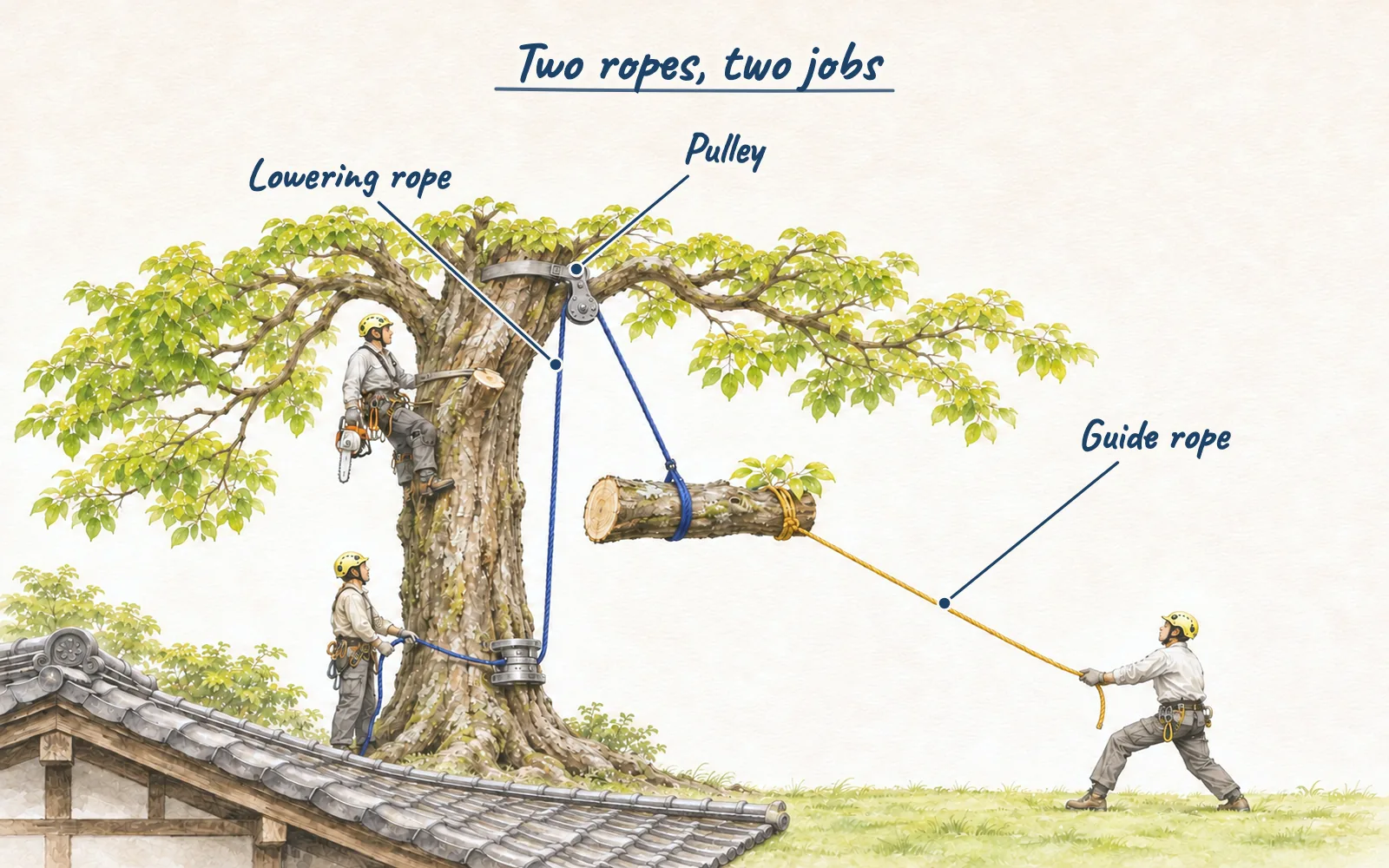
Yokohama’s own example is a good picture of why this matters. Cut branches and trunk pieces lowered straight down would land on the roof of a private house below a slope, so instead they are pulled into the park grounds and lowered there. In a second example, a heavy limb reaching over a neighbouring property is cut and, by rope work, “carefully lowered into the park” so it does not drop onto the neighbour’s land or roofs.
Friction — how the ground crew holds the weight
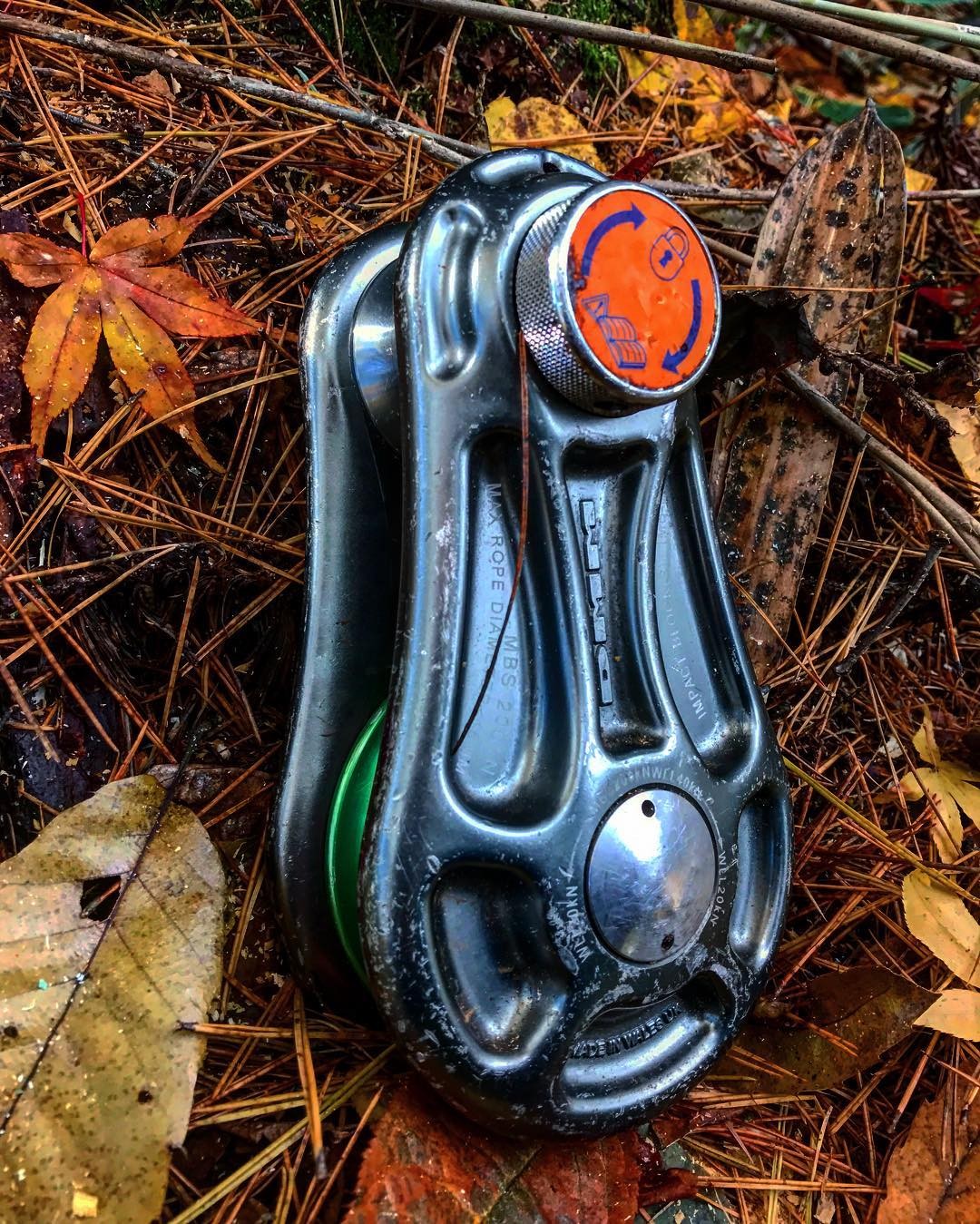
To lower heavy pieces under control, the lowering line can be run through a friction device, so that the ground worker controls the descent by adjusting friction rather than by strength. One widely sold example, the Port-A-Wrap from Buckingham Manufacturing, is described by its maker as “a compact rope friction device designed for lowering heavy objects from height”.
Britain’s Health and Safety Executive (HSE) treats the whole arrangement — ropes, pulleys, friction devices — as lifting equipment in arboriculture. Its guidance says the roping down of branches is controlled with a friction device, and that guide lines are used where needed to stop cut timber from swinging or falling freely.
Will the tree take it?
Rigging puts loads on the tree itself. The US Occupational Safety and Health Administration (OSHA) includes in its tree-care hazard bulletin a fatal accident in which the tree could not support the forces resulting from rigging. That is why the tree’s ability to carry rigging forces has to be judged before the work starts.
Rope or crane — how the choice is made
The table below is a checklist for this article, not an official standard. Each question can change the plan.
| Question on site | Why it matters for rope lowering | Why it matters for a crane |
|---|---|---|
| Can a machine be set up near the tree? | Rope work needs no machine access | A crane needs road access and room to stand |
| Can the tree carry rigging forces? | The tree itself carries part of the load (see OSHA above) | The crane carries the weight from outside the tree |
| Where can pieces land? | Guide lines steer pieces to a chosen spot | Pieces are set down within the crane’s reach |
| Is the work pruning or removal? | Both are covered by special felling in Nagano’s definition | Both can be done; the choice rests on the questions above |
Neither method is “better”; the site decides.
The rules that bound the work in Japan
The sorashi works under general Japanese safety law rather than under a licence of its own. Several rules touch the job directly.
Fall arrest
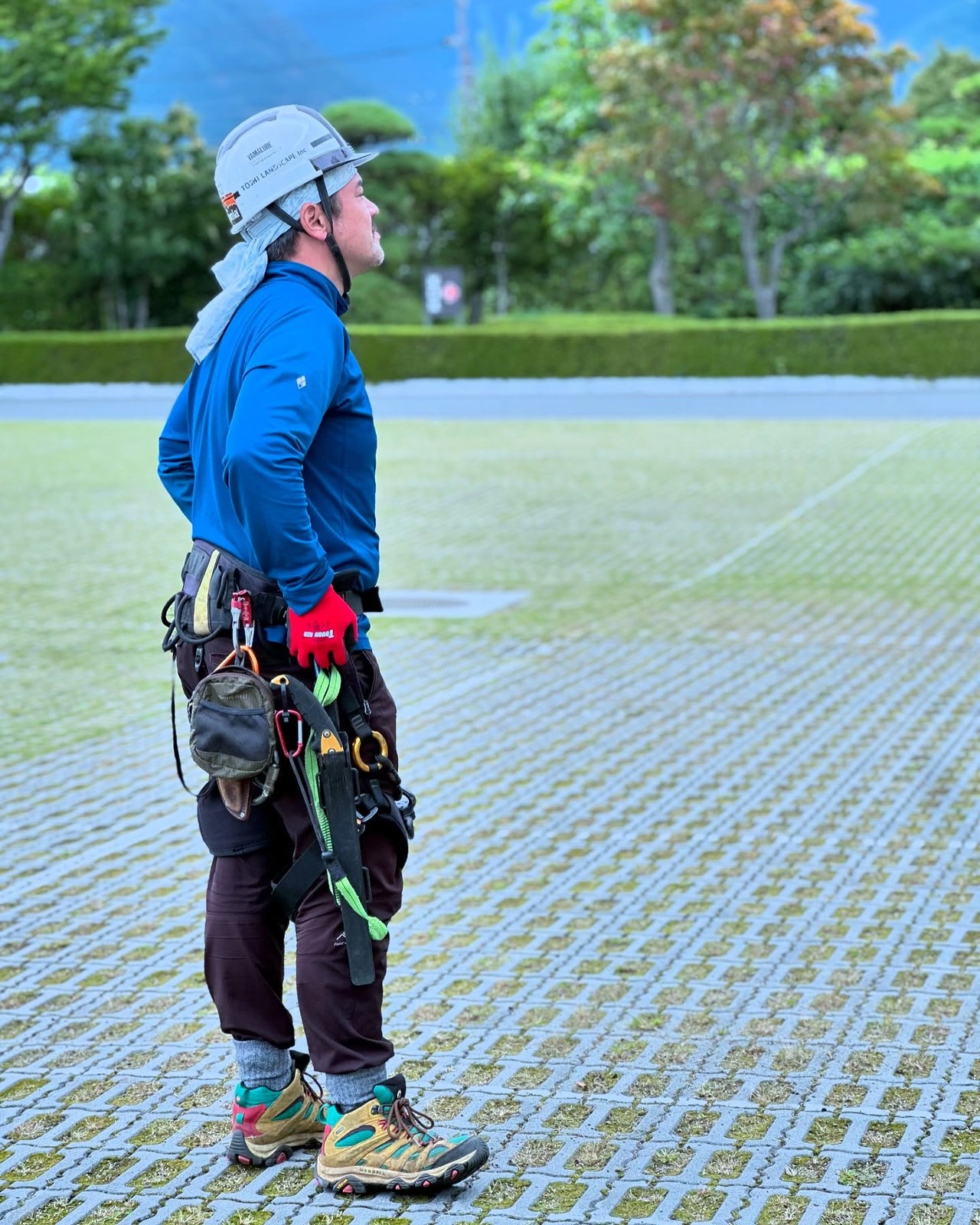
Japanese regulations require measures against falls where work is done at 2 m (about 6.5 ft) or more and a working platform is hard to install. The equipment is now called tsuiraku seishiyō kigu (墜落制止用器具), “fall-arrest equipment”, replacing the older term anzentai, “safety belt”; that change took effect on February 1, 2019. A full-body harness is the rule, and above 6.75 m (about 22 ft) the equipment must be a full-body harness.
Rope work at height
Since a 2016 amendment, the regulations define rōpu kōsho sagyō (ロープ高所作業), “rope work at height”: work at 2 m or more, where a platform is hard to provide, in which the worker’s body is held by a rope hung from an anchor above and by a descending or ascending device. The amendment took effect on January 1, 2016 (with part from July 1), and the special-education rules from July 1, 2016. Article 539-2 requires a separate lifeline for such work. Whether a particular tree-climbing system falls under this definition depends on how the work is done; we found no Ministry of Health, Labour and Welfare interpretation stating that all tree climbing does or does not, so we do not claim either.
Chainsaw training
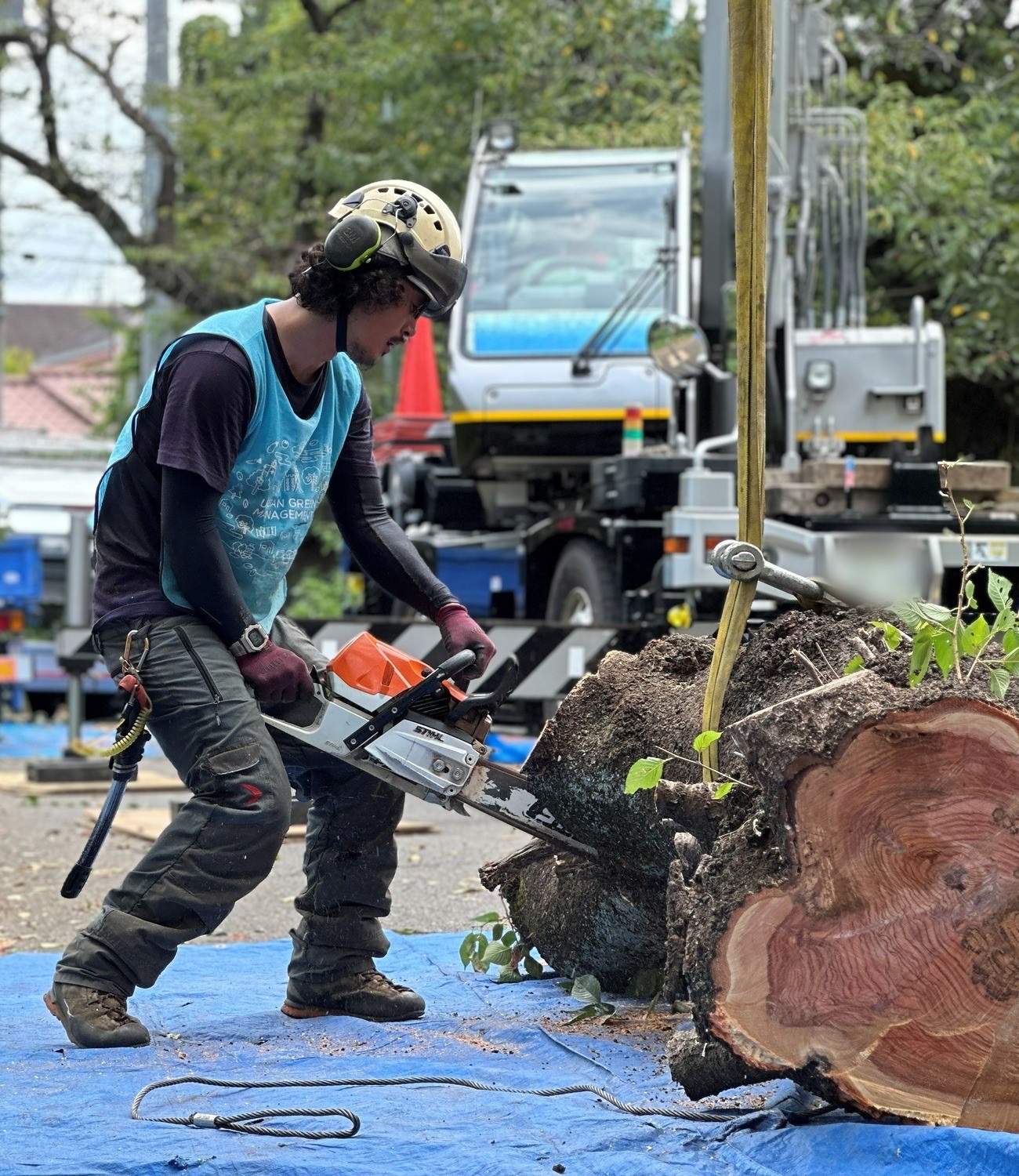
A 2019 amendment merged the special education for felling with a chainsaw, which had been split by trunk diameter, into a single course covering felling, hung-up trees and cross-cutting regardless of diameter. The minimum hours under the current rules are nine hours of classroom study and nine hours of practical training, eighteen in total.
Why these rules exist
The Forestry Agency’s figures on forestry accidents give the background. Of 31 people killed in forestry work in Japan in 2024, 22 — 71 percent — died during felling. These are figures for forestry as a whole, not for sorashi or for town work; they show how dangerous felling is within forestry.
When the tree is a god — sorashi at shrines
At a shrine the job carries an extra layer of meaning. A sacred tree (goshinboku, 御神木) is not just a hazard to be managed. It is often the reason the shrine is there.
Keeping the tree
Ao Shrine’s plan puts keeping the tree first: keep the sacred camphor, and make it safe by removing dead branches and thinning the crown. This is pruning done by climbing, not removal — the kind of work Nagano’s definition of special felling explicitly includes. A climber can reach deadwood high over a roof and remove it piece by piece without touching the hall below. For an example of a sacred camphor that has been cared for over a very long life, see our article on the great camphor of Kinomiya Shrine.
When a sacred tree has to come down
Sometimes the tree cannot be kept. Hiraoka Shrine (枚岡神社) records that its sacred tree, once designated a natural monument, was badly damaged in the second Muroto typhoon and in the Shōwa 40s (1965–1974) was cut down, leaving three metres of trunk. The shrine’s record does not say how it was cut.
We did not find a shrine’s own published record that gives both the reason for removing a sacred tree and the rope-lowering method used. Treat any claim that a particular famous tree was “taken down by sorashi” with care unless the source is the shrine or the crew.
Asking permission first
Shrines also hold rites for tree felling. Kameoka Hachimangu’s list of rites performed off-site includes bassai kiyoharai (伐採清祓), a purification for felling, explained as asking the deity’s forgiveness when a tree must be cut “for some reason”. It is an example of a rite a shrine offers, not evidence that every felling in Japan is preceded by one.
Sorashi, tree surgeon, climbing arborist — comparing the job abroad
The sorashi has close cousins in English-speaking countries. What differs is less the climbing than the systems of standards and qualifications around it.
Britain — tree surgeon
Britain’s National Careers Service lists tree climber and arborist as alternative titles for a tree surgeon, and includes removing branches and felling dangerous trees in the job. That is the nearest everyday English for a sorashi. HSE guidance says that at least two people must be present during all aerial tree work, and that someone on the ground must be able to carry out an aerial rescue without delay, with the equipment to do it. It names rope access and positioning techniques — for example footlocking or single rope technique (SRT) — as typical climbing methods.
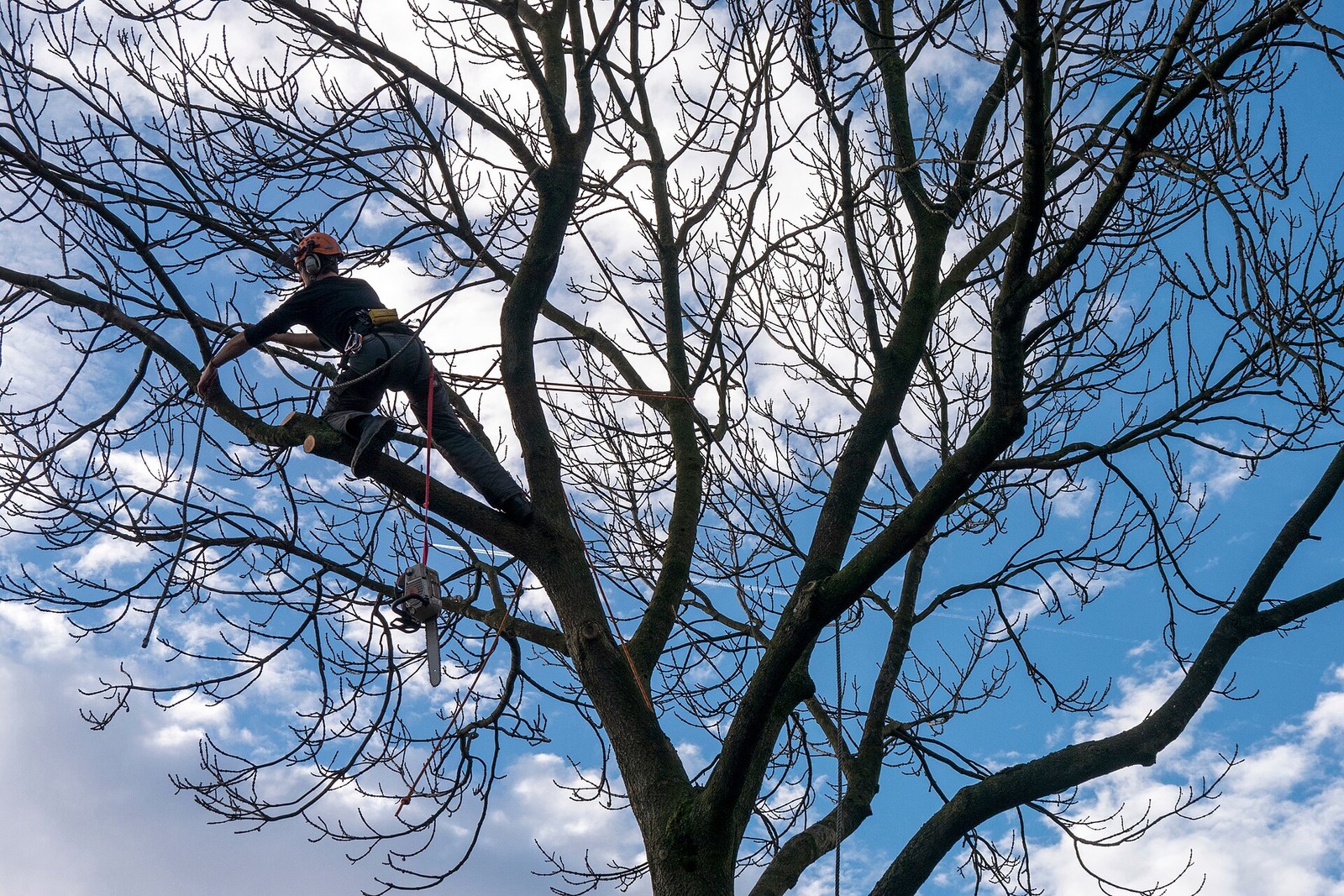
British qualifications split the job into parts. Lantra lists separate awards for accessing a tree using a rope and harness with aerial rescue, for chainsaw cutting aloft, and for aerial rigging. City & Guilds lists “Tree Climbing and Aerial Rescue” (0039-22) and “Using a Chainsaw from a Rope and Harness” (0039-23); older shorthand like CS38 and CS39 is still heard, but it no longer matches the current titles exactly.
United States — the climbing arborist
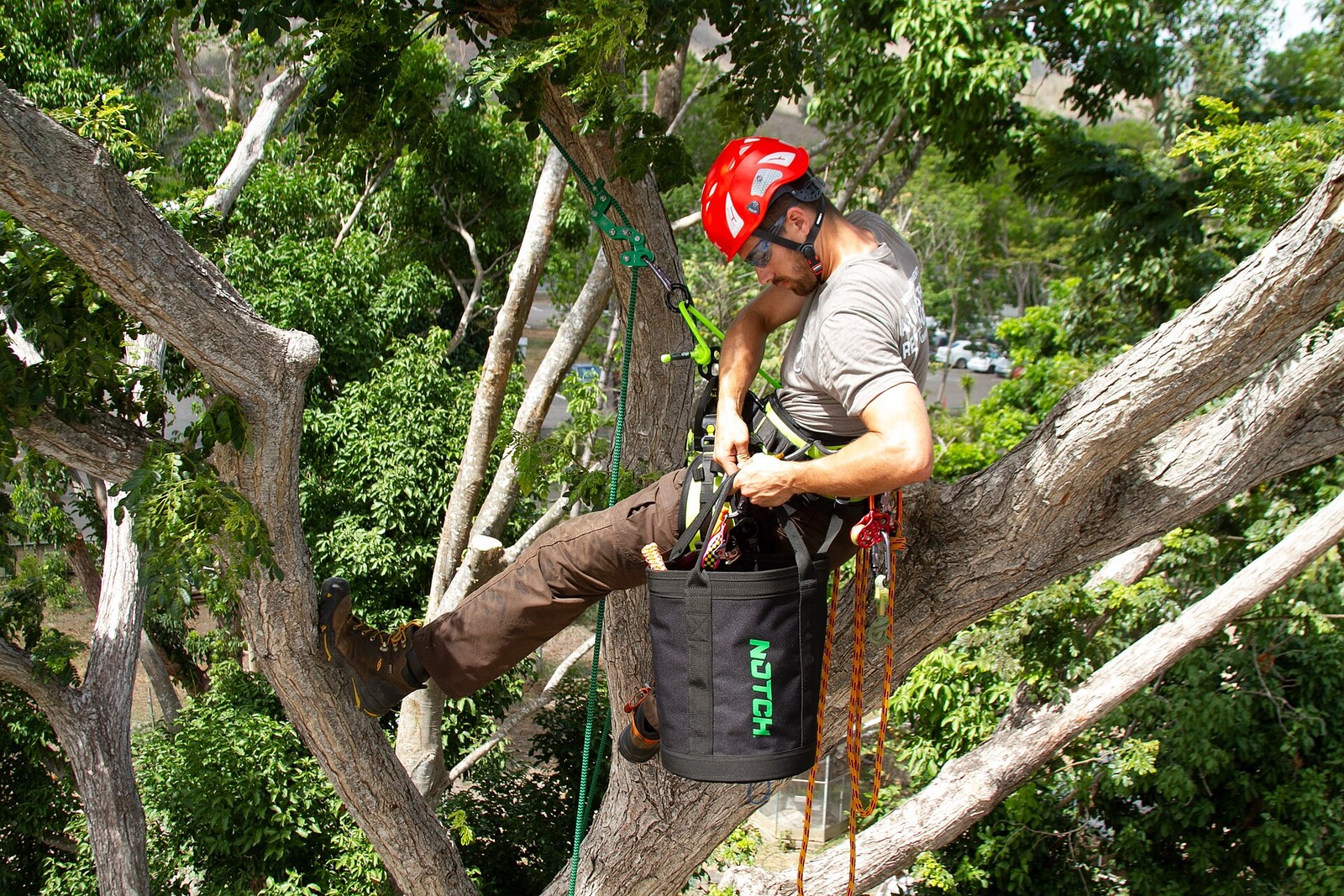
In the United States the main safety standard for tree work is ANSI Z133, and ISA has announced a 2026 edition that replaced the 2017 edition. OSHA, the federal regulator, is separately working on a new federal rule for tree care operations, citing falls from trees, falling branches, chainsaws and electrical lines as hazards; the ANSI standard and an OSHA rule are not the same thing. For climbers, ISA offers the ISA Certified Tree Climber credential, which requires eighteen months of climbing experience in arboriculture plus training in aerial rescue, CPR and first aid.
Japan — many organisations, no single title
In Japan, sorashi is not a licence. Tree Climbing Japan runs certified courses in MRS and other climbing, though its work also covers recreational tree climbing. The Japan Tree Work Association (日本樹上作業協会) offers training in rope climbing, rigging and chainsaw work, and its own certification as a tree work technician. In ISA’s current network listing, the Japan Arboriculture Society appears as an associate organisation rather than a chapter. The national trade skills test for zōen (造園), landscape gardening, exists, with landscape construction work as its option, but its published standard does not describe certifying aerial rope-lowering skill.
| Japan | Britain | United States | |
|---|---|---|---|
| Everyday name | Sorashi; the method is tokushu bassai / tsurushi-giri | Tree surgeon (also tree climber, arborist) | Climbing arborist, tree climber |
| Main safety framework | General safety law: fall arrest, rope work at height, chainsaw education | HSE guidance on tree work | ANSI Z133 (2026); OSHA rule in preparation |
| Climbing qualification | Courses and certificates from private bodies | Lantra and City & Guilds awards, split by task | ISA Certified Tree Climber |
How to translate sorashi
“Sky master” is a translation of the characters, not a job title anyone uses in English. For a working equivalent, “tree surgeon” in Britain and “climbing arborist” in North America are the closest. One mistranslation to avoid is steeplejack: in Britain’s official job profiles that is a person who repairs and maintains tall structures such as industrial chimneys and towers, not trees. In Japanese, too, sorashi is not a synonym for tobi, the construction trade.
Common misunderstandings
“Sorashi is an ancient title with a documented history.” The word is in use and the climbing traditions behind it are old, but we found no dictionary entry with an origin or first use for the job title. Its history is told in practice, not on record.
“A sorashi only removes trees.” Much of the work is pruning and deadwood removal on trees that stay — the work Ao Shrine plans for its camphor, and which Nagano’s definition of special felling includes.
“Rope lowering means letting branches drop on a rope.” In Yokohama’s definition, tsurushi-giri bassai means at least two ropes: one to stop the fall, one to guide the piece to a chosen place.
“Felling law tells you how to cut aloft.” Article 477 sets the notch for felling standing trees; it does not prescribe each cut made on a rigged piece in the crown.
“Sorashi is a national licence.” It is not. The safety rules apply to the work, and training comes from several organisations.
“Rope is always safer than a crane, or the reverse.” Neither is true in general. Site access, the soundness of the stem and where pieces can land decide.
What the word keeps alive
The Forestry Agency’s list — roads, railways, power lines, houses, shrines and temples, public facilities — describes the places where large trees and people meet. Some of those trees stand where no machine can be set up, and there the work still goes up the trunk, now with harnesses, friction devices and top-handle saws.
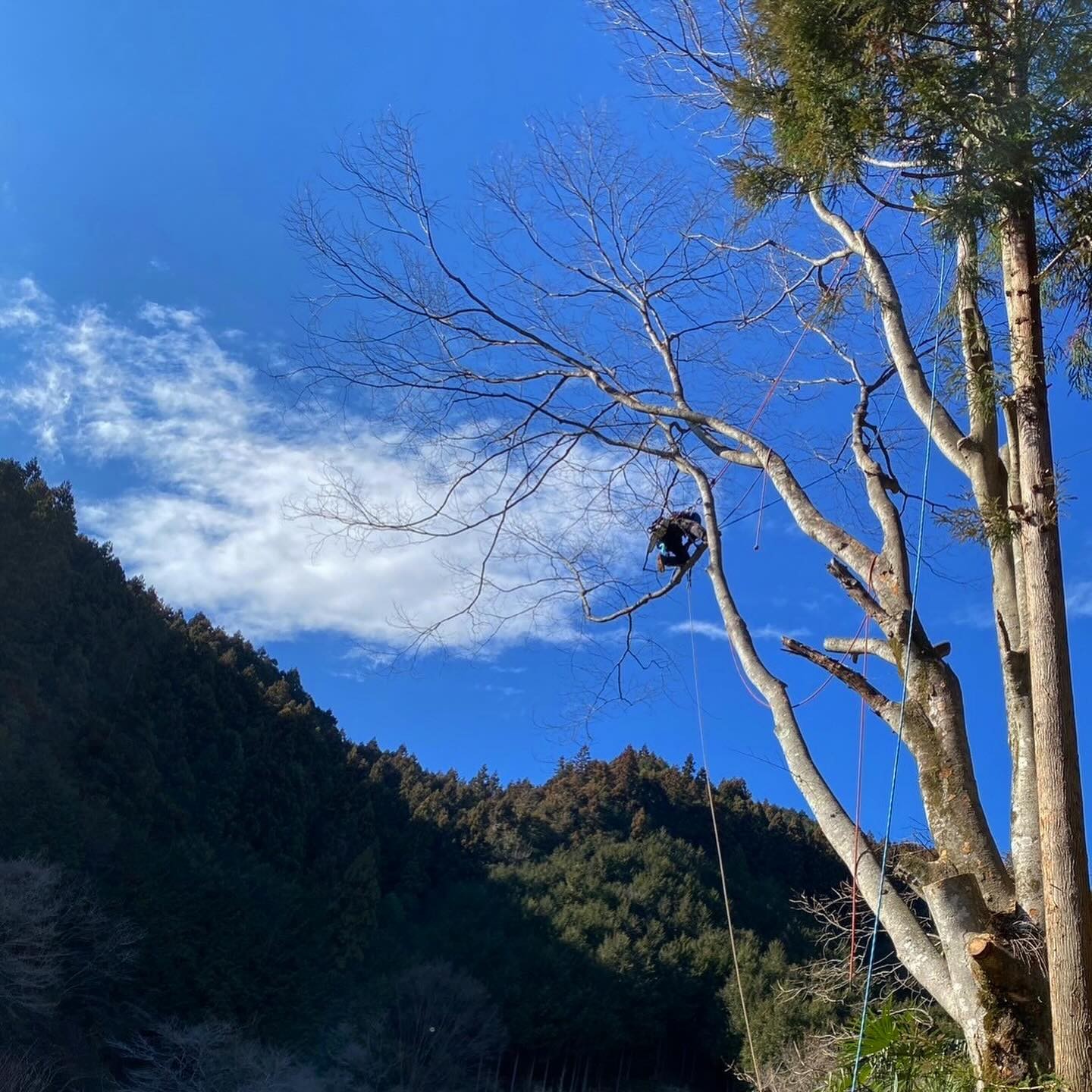
Climbing has another use besides cutting: it puts a trained eye in the crown. We have described how rope access helps in diagnosis in our report on aerial tree diagnosis at a Tokyo temple. Whether the job that day is inspecting, thinning or taking a tree down, the sorashi’s skill is the same: getting up there, staying in control, and bringing everything down to the place it was meant to land.
Frequently asked questions
What does sorashi mean?
Sorashi (空師) is written with the characters for “sky” and “master”. It refers to a tree worker who climbs on rope and cuts in the crown, lowering pieces under control. We found no dictionary record of the word’s origin.
What is tokushu bassai?
Tokushu bassai (特殊伐採), “special felling”, is a method used when a tree cannot be felled in the normal way: it is cut from the top and the pieces are lowered by suspension or similar means. Nagano Prefecture’s definition also includes pruning of branches or the treetop.
What is tsurushi-giri?
Tsurushi-giri (吊し切り) is rope lowering of cut branches and trunk sections. Yokohama defines it as guiding pieces to a designated place with at least two ropes, one to stop the fall and one to guide.
Is sorashi a licence in Japan?
No. Climbers work under general safety law — fall-arrest equipment, rope work at height, chainsaw special education — and train through private organisations such as Tree Climbing Japan and the Japan Tree Work Association.
What is the English word for sorashi?
The closest working equivalents are “tree surgeon” in Britain and “climbing arborist” in North America. “Steeplejack” is a different trade that maintains chimneys and towers.
Why are sorashi often called to shrines?
A sacred tree is something a shrine may want to keep, and precincts can be hard for machines to reach. Ao Shrine, for example, cites branches over its main hall and roads too narrow for large machinery.
Sources
– Forestry Agency, Tōhoku office, “Special felling based on tree climbing” (technical paper): https://www.rinya.maff.go.jp/tohoku/sidou/attach/pdf/R1_happyoushuu-24.pdf — checked 2026-11-14 – Ao Shrine, “Passing the sacred tree on to the future” project: https://ao-shrine.com/goshinboku/ — checked 2026-11-14 – Kotobank, soma (杣): https://kotobank.jp/word/%E6%9D%A3-90339 — checked 2026-11-14 – Kotobank, kobiki (木挽): https://kotobank.jp/word/%E6%9C%A8%E6%8C%BD-1166944 — checked 2026-11-14 – Kotobank, kikori (樵): https://kotobank.jp/word/%E6%A8%B5-473308 — checked 2026-11-14 – Kotobank, tobi no mono (鳶の者): https://kotobank.jp/word/%E9%B3%B6%E3%81%AE%E8%80%85-584603 — checked 2026-11-14 – Nagano Prefecture, special felling manual (grapple-saw truck system), p. 3: https://www.pref.nagano.lg.jp/rinsei/siensennta/siensenta/documents/manyuaru.pdf — checked 2026-11-14 – City of Yokohama, supplementary note on three felling types and tsurushi-giri branch removal: https://www.city.yokohama.lg.jp/business/nyusatsu/youshiki/kankyo/koenshiryo/download/2ijiitaku-shiyousyo.files/iji-jutakushamukehosoku3104.pdf — checked 2026-11-14 – Forestry Agency, Chūbu office, “Improving tree-climbing ladders for pruning”: https://www.rinya.maff.go.jp/chubu/gijyutu/pdf/s53_071.pdf — checked 2026-11-14 – Forestry Agency, Kinki-Chūgoku office, Yamaguchi, thinning volunteer day (2017): https://www.rinya.maff.go.jp/kinki/yamaguchi/information/20171216.html — checked 2026-11-14 – Tree Climbing Japan, system name change (MRS/SRS): https://treeclimbingjapan.org/20190426-2/ — checked 2026-11-14 – Tree Climbing Japan, certification courses: https://treeclimbingjapan.org/licence/test/ — checked 2026-11-14 – Arborist Training Institute, BAT1–3 course outline: https://japan-ati.com/courses/seminar-bat123/ — checked 2026-11-14 – Husqvarna Japan, tree-care chainsaws: https://www.husqvarna.com/jp/chainsaws/tree-care-chainsaws/ — checked 2026-11-14 – Buckingham Manufacturing, Port-A-Wrap III: https://buckinghammfg.com/products/port-a-wrap-iii-601n/ — checked 2026-11-14 – Ministry of Health, Labour and Welfare, selecting fall-arrest equipment: https://www.mhlw.go.jp/content/11302000/000473567.pdf — checked 2026-11-14 – Aomori Labour Bureau, “Safety belts became fall-arrest equipment”: https://jsite.mhlw.go.jp/aomori-roudoukyoku/newpage_00473.html — checked 2026-11-14 – Ministry of Health, Labour and Welfare, rope work at height (definition): https://anzeninfo.mhlw.go.jp/yougo/yougo100_1.html — checked 2026-11-14 – Ministry of Health, Labour and Welfare, rope work at height regulations: https://www.mhlw.go.jp/stf/seisakunitsuite/bunya/0000093057.html — checked 2026-11-14 – Industrial Safety and Health Regulations (Articles 477, 539-2): https://www.mhlw.go.jp/web/t_doc?dataId=74003000&dataType=0 — checked 2026-11-14 – Ministry of Health, Labour and Welfare, 2019 amendment notice (chainsaw felling education): https://www.mhlw.go.jp/web/t_doc?dataId=00tc3918&dataType=1&pageNo=1 — checked 2026-11-14 – Special Education Rules for Safety and Health, Article 10: https://www.mhlw.go.jp/web/t_doc?dataId=74085000&dataType=0 — checked 2026-11-14 – Forestry Agency, forestry workers and occupational accidents: https://www.mhlw.go.jp/content/11601000/001597260.pdf — checked 2026-11-14 – Japan Tree Work Association: https://jtwa.or.jp/ — checked 2026-11-14 – ISA, Our Network: https://www.isa-arbor.com/who-we-are/our-network — checked 2026-11-14 – ISA, ISA Certified Tree Climber: https://www.isa-arbor.com/Credentials/Types-of-Credentials/ISA-Certified-Tree-Climber — checked 2026-11-14 – Ministry of Health, Labour and Welfare, trade skills test categories: https://www.mhlw.go.jp/stf/seisakunitsuite/bunya/koyou_roudou/shokugyounouryoku/ability_skill/ginoukentei/syokusyu.html — checked 2026-11-14 – ISA, Z133-2026 safety standard: https://www.isa-arbor.com/Publications/Z133-2026 — checked 2026-11-14 – OSHA, Tree Care Operations rulemaking: https://www.osha.gov/tree-care/rulemaking — checked 2026-11-14 – OSHA, Tree Care Hazard Bulletin: https://www.osha.gov/sites/default/files/publications/OSHAHB3731.pdf — checked 2026-11-14 – HSE, Aerial work: https://www.hse.gov.uk/treework/safety-topics/aerial-work.htm — checked 2026-11-14 – HSE, Tree climbing: https://www.hse.gov.uk/treework/safety-topics/climbing-operations.htm — checked 2026-11-14 – HSE, Lifting equipment in arboriculture: https://www.hse.gov.uk/treework/safety-topics/arboriculture.htm — checked 2026-11-14 – Lantra, qualification specifications: https://lantra.co.uk/qualification-specifications/ — checked 2026-11-14 – City & Guilds, land-based qualification titles: https://www.cityandguilds.com/-/media/cityandguilds-site/documents/about-us/uk-local-teams/wales/welsh-language-resources-oct-2025-pdf.pdf — checked 2026-11-14 – National Careers Service, Tree surgeon: https://nationalcareers.service.gov.uk/job-profiles/tree-surgeon — checked 2026-11-14 – National Careers Service, Steeplejack: https://nationalcareers.service.gov.uk/job-profiles/steeplejack — checked 2026-11-14 – ISA / Trees Are Good, Pruning trees: https://www.treesaregood.org/Tree-Owner-Resources/Pruning-Your-Trees — checked 2026-11-14 – Hiraoka Shrine, guide to the grounds: https://hiraoka-jinja.org/grounds-of-a-shrine/index.html — checked 2026-11-14 – Kameoka Hachimangu, off-site rites: https://hachimanguu.org/saiten.html — checked 2026-11-14