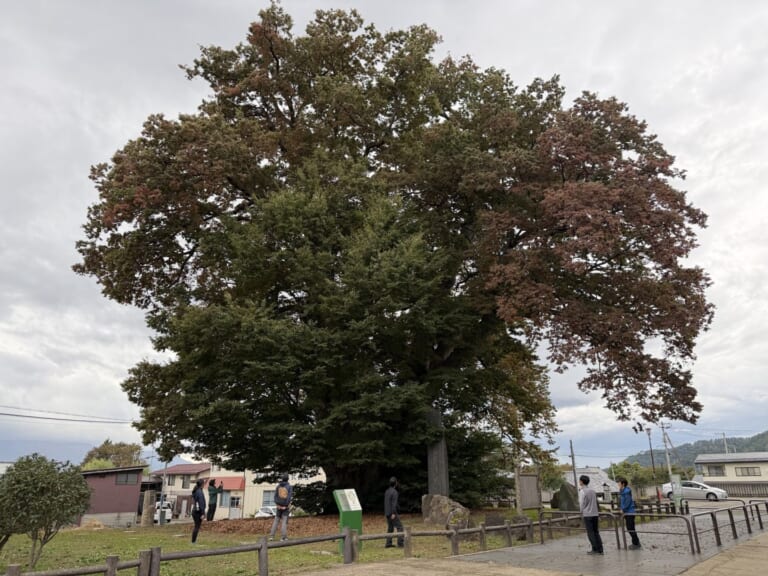
VTA meets Japan's jumoku-i system: an arborist compares Western and Japanese tree diagnosis — strengths, blind spots, and how they combine.
VTA vs. Jumoku-i: Comparing Two Tree Diagnosis Systems — Western Science Meets Japanese Expertise
Introduction
How do you decide whether a tree is dangerous? In the Western arboricultural world, the answer has long been Visual Tree Assessment (VTA) — a biomechanical framework developed in Germany that reads the “body language” of trees. In Japan, a parallel — and strikingly different — system exists: the Jumoku-i (樹木医), or Tree Doctor, a nationally recognized specialist trained to diagnose and treat trees as living patients.
Both systems share the same fundamental goal: understand what a tree is telling you and respond appropriately. But their starting philosophies, diagnostic scopes, and relationships with the tree itself differ in ways that matter deeply to practitioners. This article compares VTA and the Jumoku-i method honestly, from the perspective of someone working in Japanese landscape and tree management.
What Is Visual Tree Assessment (VTA)?
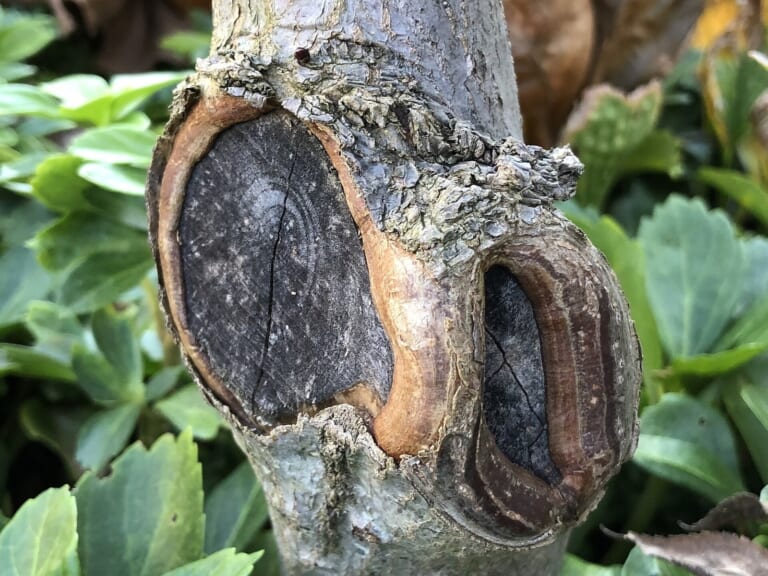
VTA was systematized in 1994 by German biomechanist Claus Mattheck and Heinz Breloer. Its foundation is the Axiom of Uniform Stress: a healthy tree distributes mechanical stress evenly throughout its structure during secondary growth. When internal defects — decay, cavities, cracks — develop, stress concentrates around them and manifests externally as swellings, depressions, rib-like ridges, or other visible deformations.
VTA reads these external signals to infer internal conditions. The method proceeds in three stages.
Stage 1: Visual Inspection
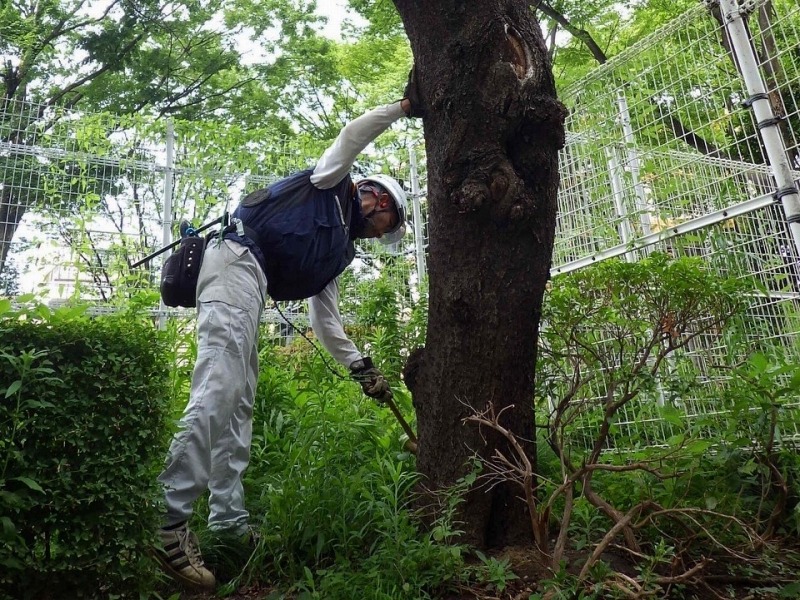
Starting at the roots and moving to the crown, the assessor examines the tree from the ground for visible symptoms: swellings, wounds, fungal fruiting bodies, dead branches, lean, and root zone disturbance. In many cases, Stage 1 alone is sufficient to identify high-risk trees.
Stage 2: Detailed Investigation
Only when Stage 1 reveals cause for concern does the assessor move to instrumental testing — acoustic tomography, resistograph drilling, or similar tools — to map the extent and location of internal decay.
Stage 3: Fracture Criteria Evaluation
Using the remaining sound wood thickness and known material strength data, the assessor determines whether the tree presents a structural failure risk.
VTA’s defining strength is its non-destructive principle: healthy trees are not invaded by instruments unless there is clear evidence of a problem. This makes it efficient, reproducible, and legally defensible.
VTA’s Global Reach
Today VTA underpins the ISA Tree Risk Assessment Qualification (TRAQ) and is referenced in British Standards (BSI) and Australian Standards (AS 4970). It is arguably the most widely adopted tree risk framework in the world, used across Europe, North America, Australia, and South Africa.
What Is Jumoku-i? Japan’s Tree Doctor System
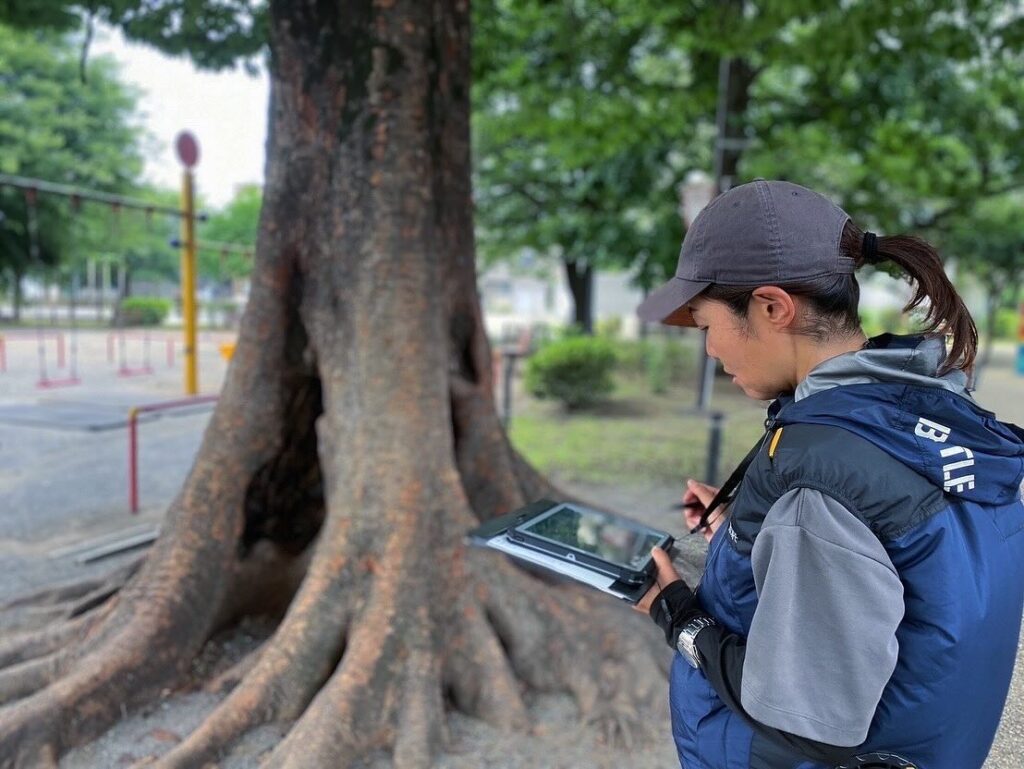
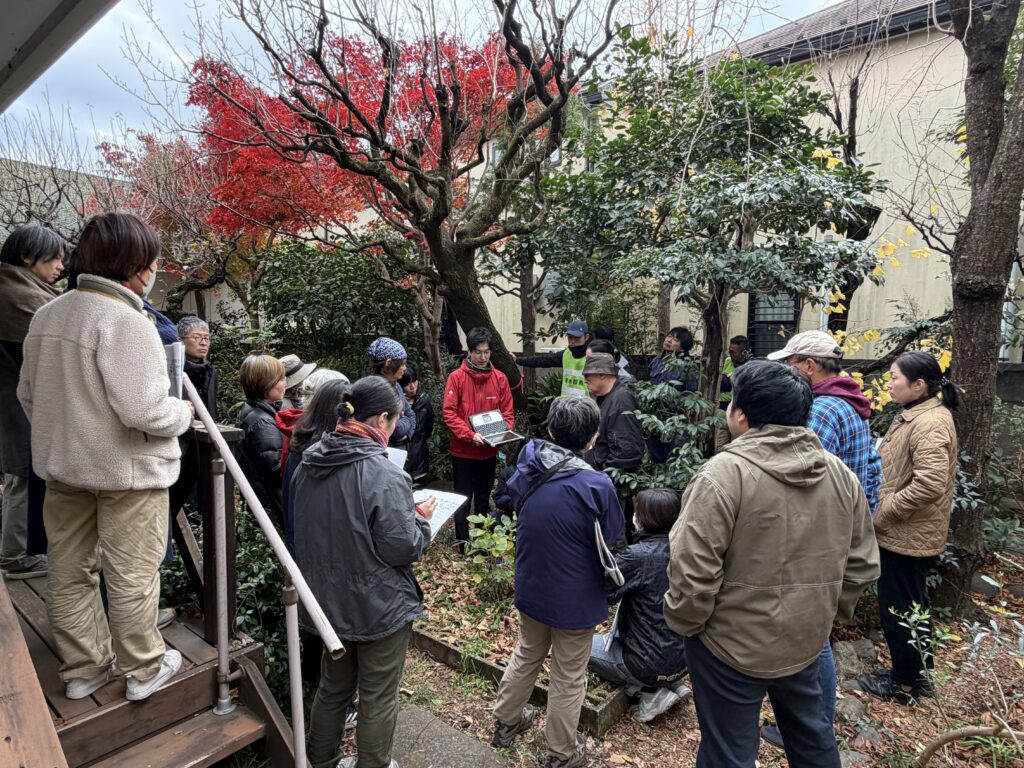
The word Jumoku-i (樹木医) translates literally as “tree doctor” — and that is not a metaphor. It reflects the system’s design philosophy: trees are patients, and their specialists should be trained accordingly.
Origins of the Jumoku-i System
Japan’s Forestry Agency established the Jumoku-i certification in 1991 as part of a national effort to protect historically and ecologically significant trees. The catalyst was a troubling pattern: during road construction and urban development projects, contractors without adequate knowledge of tree physiology were inadvertently killing centuries-old trees, including designated Natural Monuments (Tennen Kinenbutsu).
The system has since been administered by the Japan Greening Center. Today, approximately 3,200 certified Jumoku-i are registered nationwide (as of fiscal 2025) — a relatively small number reflecting the program’s deliberately high standards.
How Demanding Is the Certification?
The Jumoku-i qualification is one of the most rigorous tree-related certifications in the world. To sit the first-stage examination, a candidate must have at least five years of documented professional experience in tree diagnosis, treatment, and conservation management. (Holders of the preliminary Jumoku-i-ho certificate qualify with one year of experience.)
Passing the written examination and portfolio review of Stage 1 earns the right to attend the Stage 2 residential examination — a two-week intensive program during which candidates face written tests across approximately 16 subject areas, a tree species identification practical, and a final interview. Pass rates historically hover around 20%. There is no shortcut.
How Jumoku-i Practitioners Diagnose Trees
The defining characteristic of Jumoku-i diagnosis is its scope. Where VTA begins with the above-ground structure, Jumoku-i practitioners begin — conceptually and practically — with the root system and the soil.
“Everything that appears in the leaves has its cause in the roots. If the roots are healthy, the tree will recover.”
This is diagnostic medicine applied to arboriculture. The Jumoku-i reads symptoms (what the tree shows) and traces them to root causes (soil conditions, root damage, environmental stress, drainage failure). The diagnostic process typically covers:
- Visual assessment: leaf color, shape, and timing of senescence; branch angle and structure; bark condition; root buttress form; surrounding soil and pavement
- Instrumental investigation: resistograph, Arborsonic 3D tomography, PiCUS acoustic systems
- Soil analysis: compaction testing, permeability measurement, chemical composition, drainage evaluation
A formal Jumoku-i diagnostic report typically includes not just a risk rating, but a treatment plan and long-term prognosis.
Comparing VTA and the Jumoku-i Method
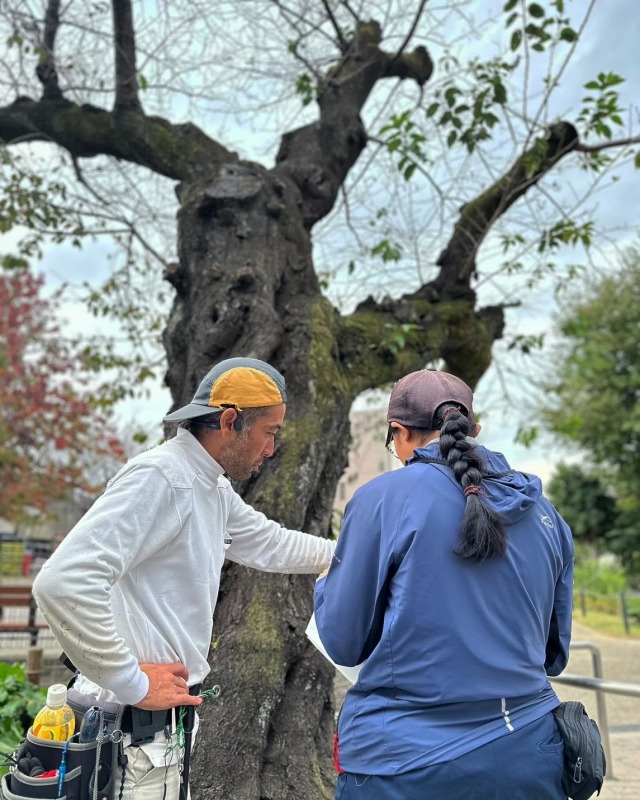
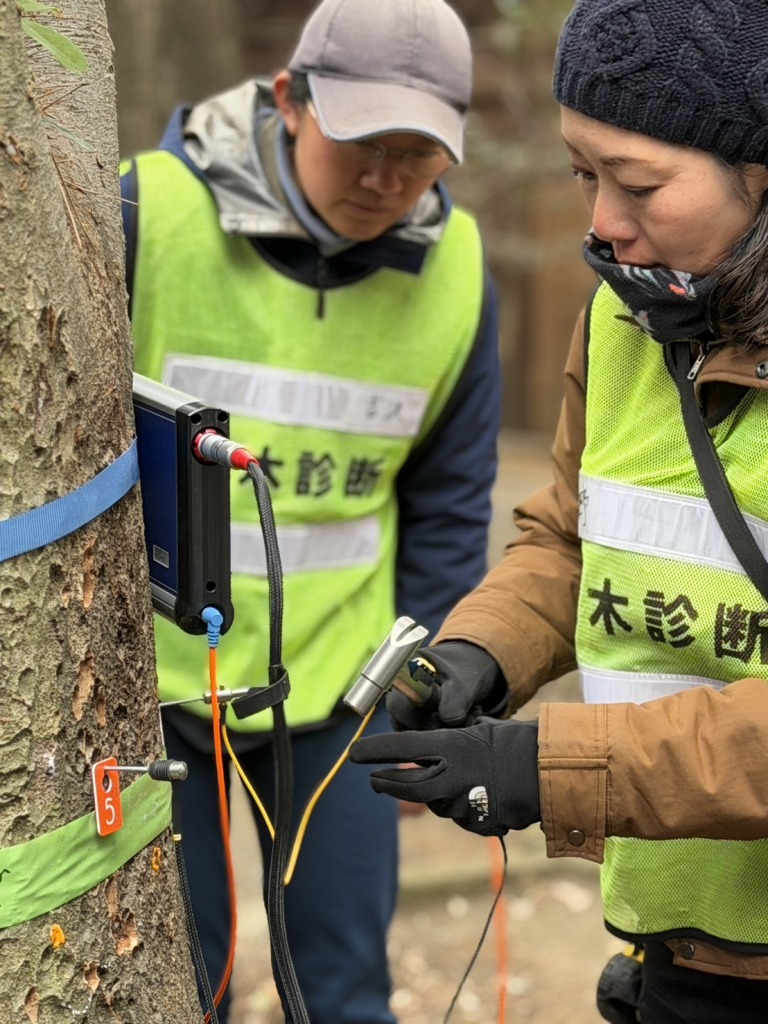
Placing both systems side by side reveals meaningful differences — not in quality, but in orientation.
The Central Question
VTA asks: Will this tree fall?
Structural safety is the primary goal. Risk is expressed through measurable indicators: residual wall thickness, wood strength, loading conditions.
Jumoku-i asks: Why is this tree declining?
Root cause identification and treatment planning are the primary goals. Risk is one part of a broader clinical picture.
Diagnostic Scope
VTA is fundamentally a ground-up visual method. Root system and soil evaluation are not required components of the VTA protocol. Jumoku-i diagnosis treats roots, soil, and surrounding environment as mandatory diagnostic domains.
Risk Assessment vs. Treatment Planning
VTA excels at producing binary, legally defensible outcomes. Jumoku-i reports go further, addressing not just whether to remove or retain a tree, but how to treat it and what recovery trajectory to expect.
| Feature | Visual Tree Assessment (VTA) | Jumoku-i (Tree Doctor) |
| Central Question | Will this tree fall? | Why is this tree declining? |
| Primary Goal | Structural safety & risk mitigation. | Root cause identification & treatment. |
| Mandatory Scope | Above-ground structure (biometrics). | Roots, soil, and environment. |
| Output | Binary risk rating (Safe/Unsafe). | Clinical diagnosis & recovery plan. |
| Philosophical View | The tree as an engineered structure. | The tree as a living individual/patient. |
Which System Is Better? An Honest Assessment
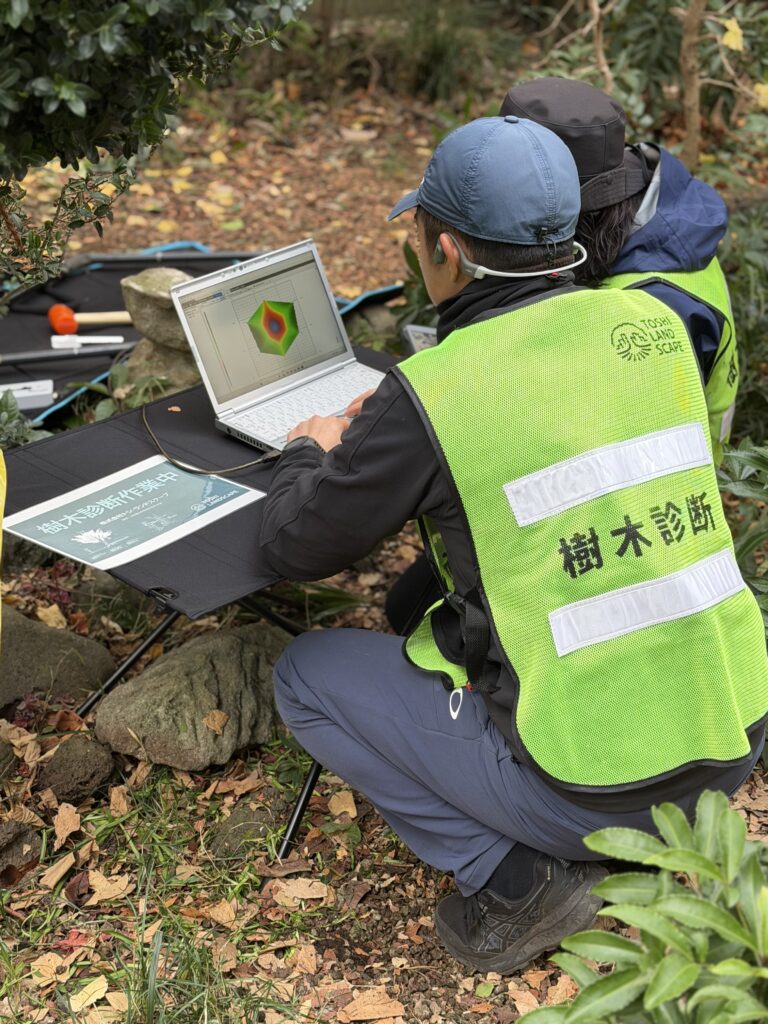
The honest answer is: they are not competing for the same ground.
VTA excels at standardization, quantification, and legal validity. For managing large inventories of street trees, VTA’s framework is extraordinarily powerful.
The Jumoku-i method excels at depth, treatment, and long-term stewardship. For heritage trees and Natural Monuments, the Jumoku-i approach is indispensable.
The ideal approach is integration. In Japan’s most sophisticated tree management practice, ISA methodologies and Jumoku-i expertise are increasingly used together — and the results are better than either system alone.
Frequently Asked Questions
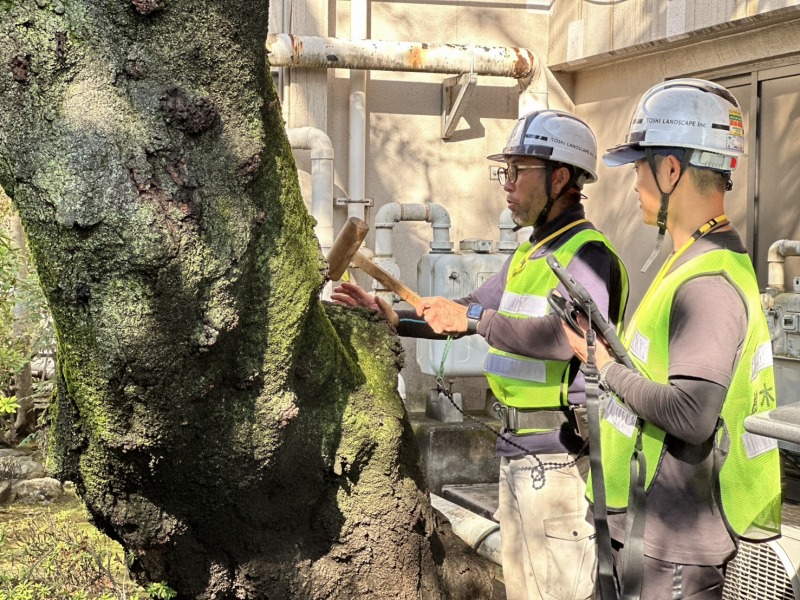
Q: How does Jumoku-i differ from ISA Certified Arborist? A: The ISA credential covers general arboricultural practice broadly. Jumoku-i requires more years of experience and a rigorous exam with a low pass rate, specifically oriented toward diagnosis and treatment. Q: Is VTA used in Japan? A: Yes. Many Japanese Jumoku-i are familiar with VTA principles, though public procurement often specifies Jumoku-i reports as a contractual requirement. Q: What is the traditional Japanese percussion diagnosis technique? A: It is called daon shindan (打音診断). A practitioner strikes the trunk with a mallet and interprets the sound to detect cavities. It is a sensory skill calibrated by years of practice.
Conclusion
VTA and the Jumoku-i method are not rivals. They are answers to different questions. VTA asks whether a tree will fail. The Jumoku-i asks why a tree is suffering — and what can be done about it. Both questions matter.
Trees do not speak in words. But to those who have learned to read them — whether through VTA’s biomechanical lens or the Jumoku-i’s clinical eye — they are always communicating. The same question underlies both approaches: What is this tree trying to tell us?