Tokyo's street trees look immaculate yet many are quietly failing. A Japanese arborist explains the beauty, the stress, and what would fix it.
Tokyo Street Trees: Why They Look Beautiful — and Why They’re Struggling
Introduction
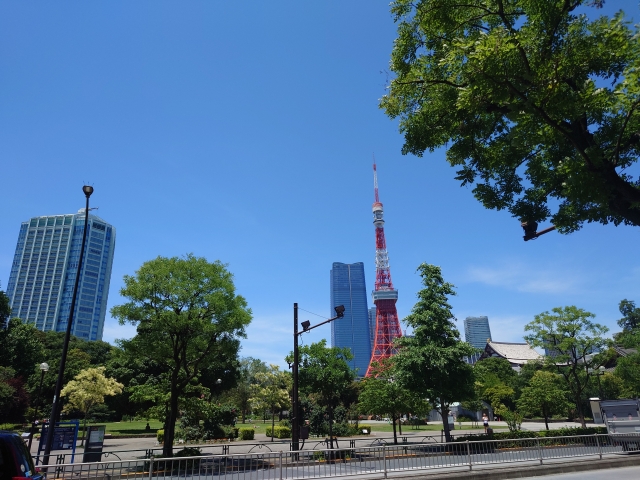
Walk through almost any major street in Tokyo, and you will notice something that surprises many foreign visitors: the trees are labeled. Each street tree carries a small tag bearing its Japanese and Latin names, its trunk wrapped in burlap for winter protection, its base sometimes fitted with a decorative metal guard. The impression is one of careful stewardship — a city that genuinely cares for its trees.
And yet, as a certified arborist and tree diagnostician working in Tokyo every day, I see something quite different when I look at those same trees up close. Roots compressed beneath unforgiving pavement. Crowns cut back season after season until they are a fraction of their natural size. Trunks that look solid from the outside but register alarming decay readings on my instruments. Tokyo’s street trees — known in Japanese as gairoju (街路樹) — are simultaneously some of the most visually managed trees in the world and some of the most physiologically stressed. Understanding why requires looking at both the culture that produces their beauty and the urban conditions that quietly undermine their health.
A City That Has Long Loved Its Trees
The Cultural Root of Urban Tree Care
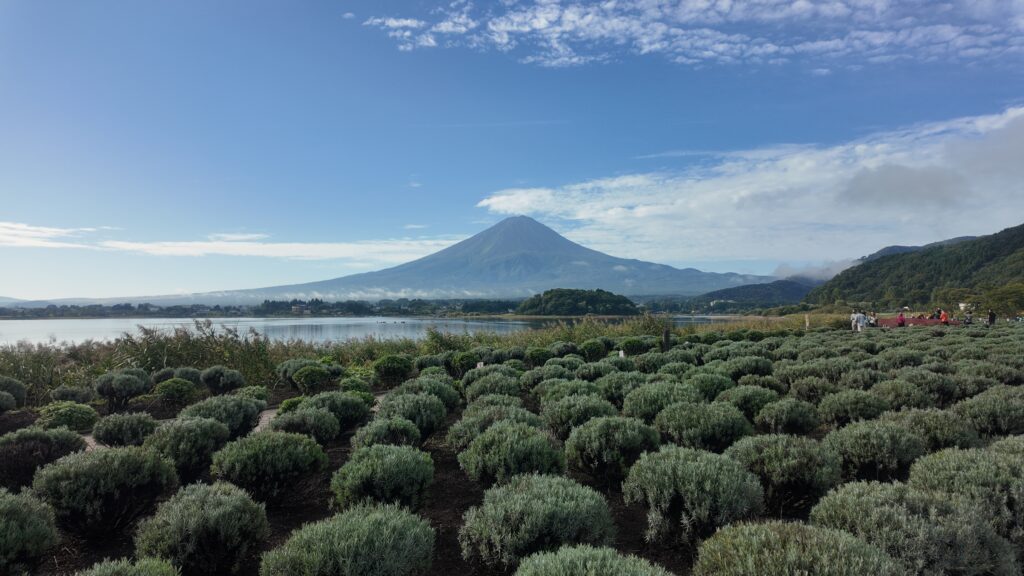
Japan’s relationship with trees is not simply practical — it is philosophical. The concept of shizen-kan , or “a way of seeing nature,” frames the natural world not as something to be conquered or optimized, but as something to live alongside with respect. In this worldview, a tree is not merely a fixture of the streetscape. It is a living entity that deserves acknowledgment and care.
This cultural orientation shows up in small but telling ways in how Tokyo manages its street trees. Trees are individually labeled, a practice rare in most cities. During winter, vulnerable species are wrapped against cold. After heavy storms, city workers check on trees individually. These are not bureaucratic mandates — they reflect a genuine cultural attitude that treats trees as participants in the life of the city, not just decorations.
How the 1964 Olympics Shaped Tokyo’s Urban Forest
The modern framework of Tokyo’s street tree system was largely built in a single decade. During World War II, American firebombing reduced Tokyo’s street tree population from approximately 105,000 trees to around 42,000 — and by the war’s end, that number had fallen further to just 35,000 as trees were cut for firewood. The postwar city was a landscape nearly stripped of its urban canopy.
The turning point came with the announcement that Tokyo would host the 1964 Summer Olympics. Citywide infrastructure modernization began in earnest: roads were widened, train lines were expanded, and new tree-lined boulevards were planted across the city. The trees planted in this era formed the backbone of what visitors admire today. Crucially, however, the management philosophy that accompanied this expansion emphasized one thing above all: appearance.
The Priority of Visual Uniformity
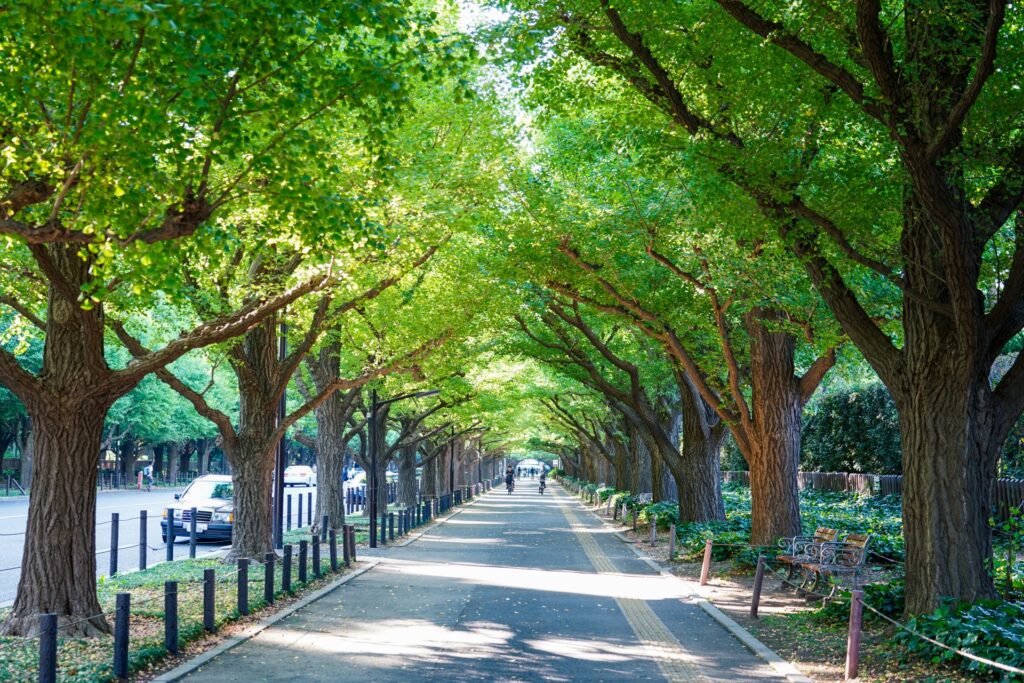
In Japanese urban planning through much of the late 20th century, amenity value — the visual quality of the streetscape — was the dominant criterion for selecting and managing street trees. The same species was planted at regular intervals along each road, and trees were pruned to maintain a consistent size and silhouette. The result was highly ordered and, by many standards, genuinely beautiful.
Research supports the measurable psychological benefit of this approach. Studies in Tokyo have shown that views of trees significantly reduce perceived oppressiveness in dense urban environments — a finding consistent with the Japanese concept of ma (間), the idea that meaningful space and visual relief are essential to human wellbeing. The canopy coverage in Tokyo’s 23 central wards stands at approximately 23%, comparable to New York City’s 24% and London’s 21% — a figure that reflects real investment in urban greening.
The Hidden Struggle: Why Tokyo’s Street Trees Are Under Stress
Root Confinement: A Structural Problem Beneath the Surface
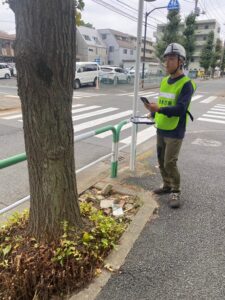
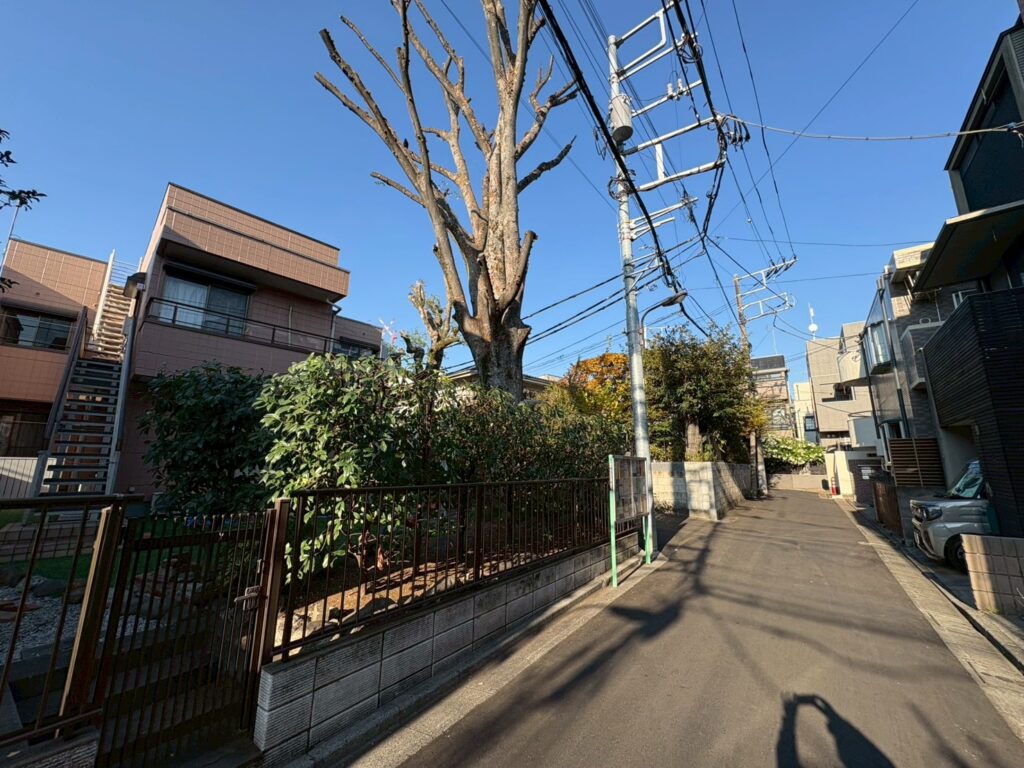
The most fundamental challenge facing Tokyo’s street trees is one that most people never see: severely restricted root space. Street trees in Tokyo are typically planted in small pits surrounded by impermeable concrete and asphalt. These surfaces block both water infiltration and gas exchange, leading to progressive soil compaction over time.
A tree’s root system is not just an anchor — it is the primary interface through which the tree accesses water, oxygen, and nutrients. When root space is constrained, the tree cannot support a proportionally large canopy. It lives in a kind of chronic deficit, managing its limited resources while being asked to perform the full ecological functions of a healthy tree. Research conducted in Kyoto — one of the most closely studied Japanese street tree populations — found that pit size was among the most statistically significant predictors of street tree health condition. Smaller pit, weaker tree. The relationship is that direct.
Aggressive Pruning: When Aesthetics Undermine Biology
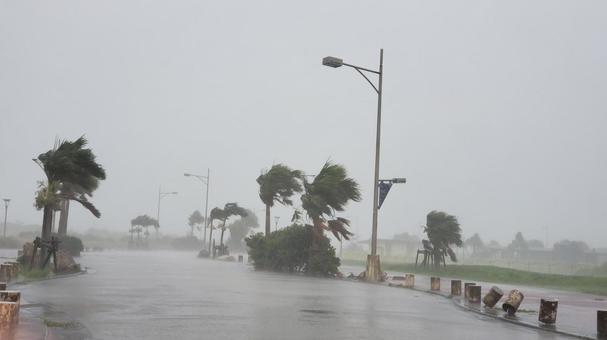
Perhaps the most visually obvious and biologically consequential management practice in Tokyo’s street tree system is kōsentei (強剪定) — aggressive pruning. Trees along major roads are regularly cut back to manage interference with overhead utility lines, reduce wind resistance ahead of typhoon season, and maintain the visual uniformity that Japanese streetscape management has long prioritized.
From a tree care perspective, this practice comes with serious costs. Removing a large portion of a tree’s canopy in a single pruning event directly reduces its photosynthetic capacity. The tree responds by pushing out large numbers of epicormic shoots — fast-growing, structurally weak branches — which require further pruning, creating a cycle of mechanical stress. More seriously, each cut site is a potential entry point for wood decay fungi. Trees weakened by repeated aggressive pruning become increasingly vulnerable to internal decay, often without showing obvious external symptoms.
This is perhaps the central irony of Tokyo’s street tree management: the interventions intended to make trees look orderly are among the primary factors making them structurally fragile. A well-managed crown and a healthy tree are not always the same thing.
Urban Heat: An Invisible Physiological Burden
Tokyo is one of the world’s most intensively documented cases of urban heat island effect. Surface temperatures in the city’s densely built wards have risen by an estimated 2 to 3 degrees Celsius compared to a century ago, driven by concentrated building mass, impervious surfaces, waste heat from air conditioning systems, and reduced vegetation.
Street trees are expected to help mitigate this phenomenon — and to a degree they do, through canopy shading and evapotranspirative cooling. But they also bear the full brunt of the conditions they are meant to alleviate. Heat and drought stress accelerate a phenomenon known in arboriculture as top dieback: the progressive death of branch tips working downward from the crown apex. Stressed trees also show reduced ability to compartmentalize wounds and resist fungal infection. The very wood decay processes that good pruning practice tries to minimize are accelerated by the thermal environment that Tokyo’s densely built streets create.
A Canopy That Is Quietly Shrinking
The data behind Tokyo’s urban tree cover tells a story that the carefully maintained appearances on the street do not. According to research published in 2024 using satellite imagery analysis, Tokyo’s overall tree canopy cover declined from 9.2% in 2013 to 7.3% in 2022 — a loss of 1.9 percentage points over less than a decade. Street trees specifically saw a negative change of approximately 21.4% during the study period. The primary driver was road construction and widening: trees removed to accommodate infrastructure improvements were rarely replaced at the same scale.
On public land overall, 38% of tree cover was lost during the study period. On private land, the figure was 57%. The city’s green surface is eroding faster than most people walking its streets would guess.
What Diagnostic Tools Reveal Beneath the Surface
Reading the Inside of a Tree
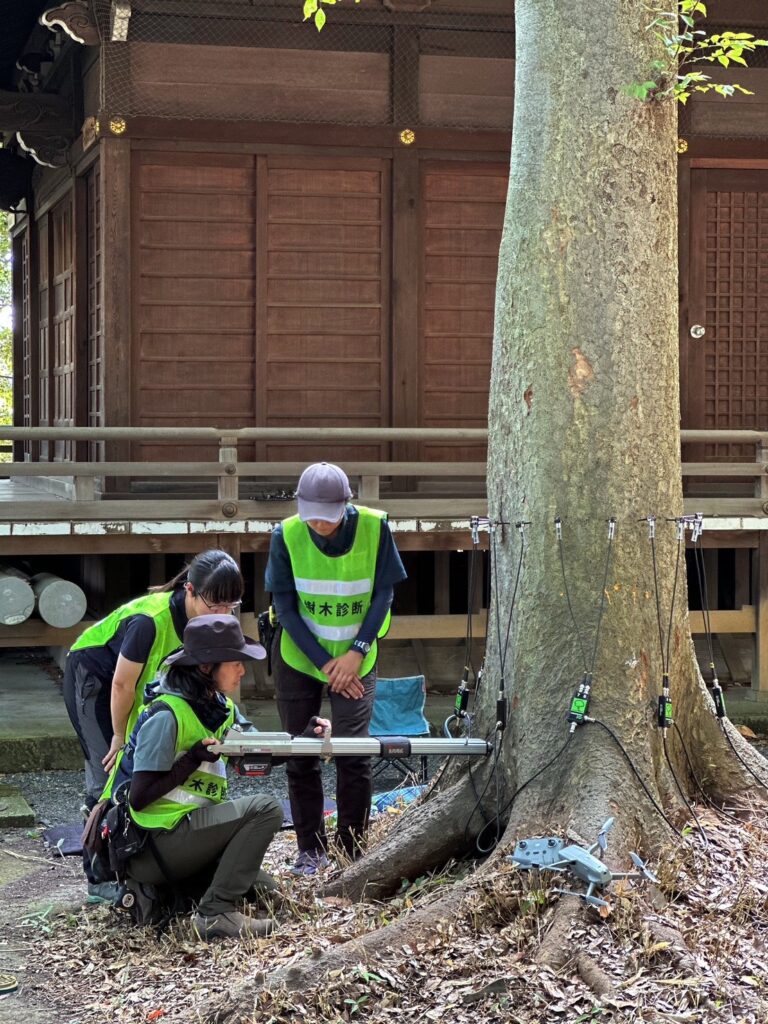
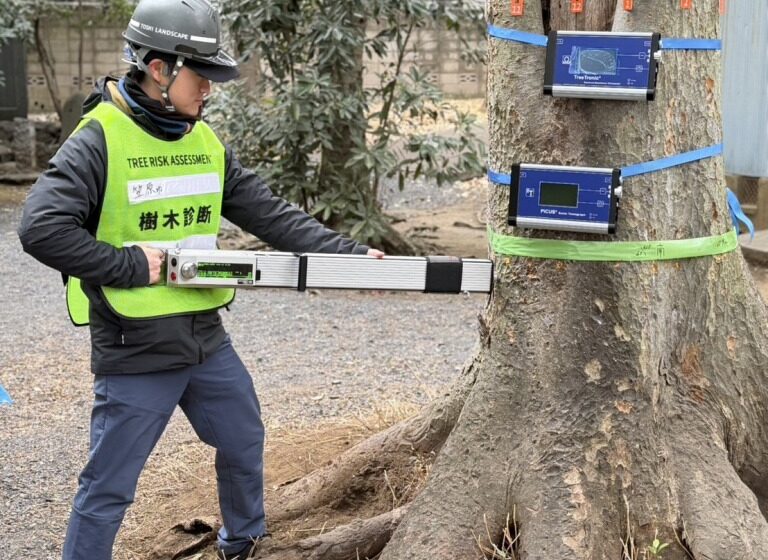
One of the most important skills in modern arboriculture is the ability to assess what is happening inside a tree without cutting into it. In my practice, I use several diagnostic instruments that allow non-destructive evaluation of internal wood condition.
The ArborSonic 3D uses acoustic tomography — arrays of sensors placed around a trunk that measure the speed of sound waves traveling through the wood — to produce a cross-sectional map of internal density. Sound travels more slowly through decayed wood, allowing the instrument to identify zones of internal decay even when the exterior bark appears entirely normal.
The IML-Resistograph works differently: a thin needle is driven into the wood at a controlled speed, and a micromotor records the resistance encountered at each depth. Healthy, dense wood offers high resistance; decayed or hollow zones show dramatically lower resistance. Together, these tools routinely reveal conditions that visual inspection misses entirely — trees that appear vigorous from the outside but contain large internal voids or advanced fungal decay at their structural core.
In field work across Tokyo parks and street plantings, it is not uncommon to find such discrepancies. A cherry tree that appears to be responding well to standard maintenance — regular pruning, wound sealant such as Topsin M Paste applied to cut surfaces — may nonetheless harbor a column of decay that has progressed from a pruning wound made years or decades earlier. Prunus species generally have relatively limited compartmentalization capacity, meaning they are less able than many tree species to wall off decay at wound sites. Pruning timing and technique matter enormously for this genus.
The Jumoku-i: Japan’s Certified Tree Doctor
Japan has a national certification system for tree diagnostic specialists called jumoku-i— often translated as “tree doctor” or “certified arborist,” though the role carries specific diagnostic emphases not always captured by Western equivalents. Certified jumoku-i are trained in Visual Tree Assessment (VTA), acoustic and resistance measurement, risk evaluation, and treatment protocols. The credential is administered by the Japan Society of Arboriculture and requires both examination and field experience.
The existence of this certification reflects a recognition — growing in Japan’s professional landscape — that urban tree management requires genuine diagnostic expertise, not only horticultural routine. As cities like Tokyo confront aging tree populations, changing climate conditions, and increasingly sophisticated public expectations around tree safety, the role of systematic diagnosis becomes more central to responsible urban forest management.
Toward a Healthier Urban Forest: New Directions
From Aesthetics to Ecosystem Services
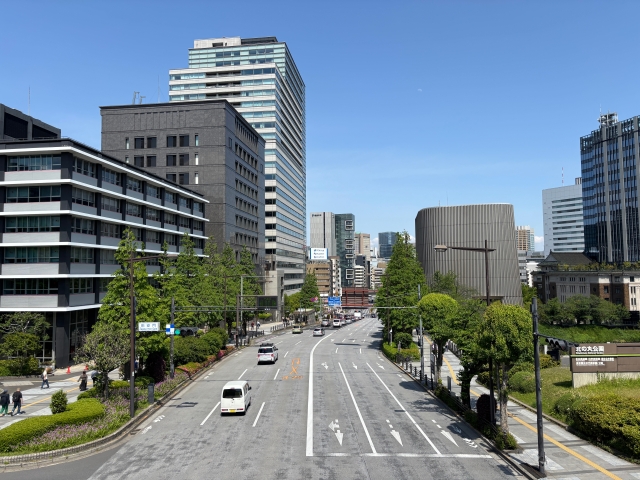
Tokyo’s current environmental policy framework signals a meaningful shift in how the city conceptualizes its urban trees. The Tokyo Metropolitan Government’s Environment White Paper articulates a vision of urban greenery defined not by visual appearance but by ecological function: air quality improvement, stormwater absorption, urban heat mitigation, carbon sequestration, and biodiversity support. Each of these functions is maximized when trees are large, structurally sound, and long-lived — conditions that aggressive pruning and constrained root environments actively work against.
Translated into management practice, this shift means reconsidering some long-established habits. Permeable paving systems that allow water and gas exchange to reach root zones. Expanded tree pit designs that give root systems room to develop. Reduced pruning intensity, with cuts timed to minimize infection risk and sized to what the tree can seal effectively. And routine diagnostic monitoring that catches structural problems before they become safety hazards.
The Satoyama Perspective
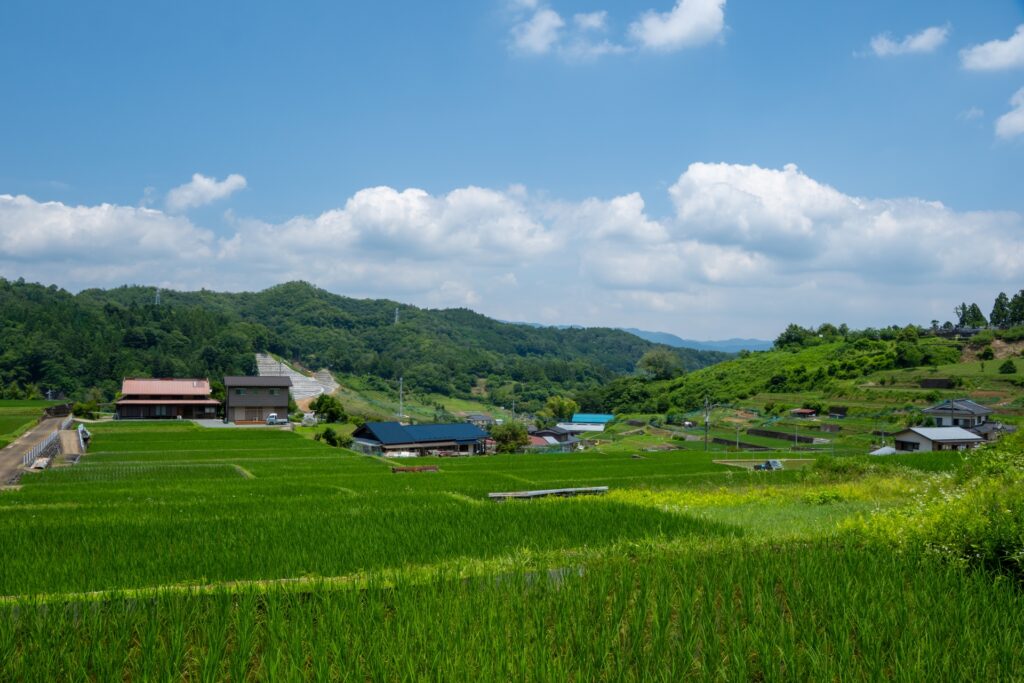
Japan has a concept that offers a useful philosophical frame for thinking about urban trees differently: satoyama (里山). The term describes the traditional landscape of the Japanese countryside — managed woodlands, rice paddies, and settlements where human activity and natural processes coexisted in productive balance. Neither pure wilderness nor industrial monoculture, satoyama was a system that sustained both ecological diversity and human livelihoods over centuries.
Applying satoyama thinking to urban tree management does not mean recreating rural landscapes in city streets. It means reorienting the management relationship — from controlling trees to supporting their health. In this frame, the measure of good management is not whether a tree looks uniform, but whether it is growing, thriving, and providing genuine benefit to the people and ecosystems around it.
Frequently Asked Questions
Q: What are the most common street tree species in Tokyo? A: Ginkgo biloba (イチョウ) and Zelkova serrata (ケヤキ) dominate the major boulevards of Tokyo. Cherry species (Cerasus spp.) are prominent along riverbanks and in parks, serving as iconic seasonal markers. Platanus × acerifolia (London plane) appears in older plantings, though research in Kyoto has shown that this species adapts poorly to the constrained planting spaces typical of Japanese urban streets.
Q: Is aggressive pruning of street trees actually necessary? A: Some pruning is genuinely required — to manage clearance from utility lines, reduce wind load ahead of typhoon season, and address structural defects. However, the intensity of pruning applied to many Tokyo street trees significantly exceeds what sound arboricultural practice supports. Best practice calls for minimizing the volume of wood removed in any single pruning event, applying wound sealant where appropriate, and timing cuts to the species’ dormant season to reduce infection risk.
Q: What happens when Tokyo loses tree canopy cover? A: The consequences are measurable and compound over time. Higher summer temperatures in streets without canopy shade, reduced stormwater absorption leading to greater runoff and flood risk, increased airborne particulate matter, and documented increases in the psychological experience of urban stress and crowding. Research conducted in Tokyo has confirmed that tree canopy significantly reduces perceived oppressiveness in dense built environments — a finding consistent with broader urban forestry literature on the relationship between green space and mental health.
Q: How is a jumoku-i different from a general landscape contractor? A: A jumoku-i (樹木医) is a nationally certified tree diagnostician specializing in the assessment and treatment of individual trees. The role is analogous to a physician for trees — focused on diagnosis, structural risk evaluation, and targeted intervention — rather than the general maintenance and aesthetic management that landscape contractors typically provide. In practice, the two roles are complementary: routine maintenance by landscape professionals, diagnostic assessment by certified jumoku-i, particularly for mature, high-value, or structurally concerning specimens.
Q: What are the most promising changes in Tokyo’s street tree management? A: The shift toward ecosystem services as the primary management goal — rather than visual uniformity — is the most significant policy development. On the technical side, expanded root zone designs, permeable paving, reduced pruning intensity, and routine acoustic and resistance diagnostics represent the frontier of evidence-based street tree management. Public education around what tree health actually looks and does not look like is equally important: a well-pruned tree and a healthy tree are not always the same thing.
Related reading
- Why Are Japanese Street Trees So Small? Lessons from Barcelona, Athens, and Hanoi
- Japan’s Falling Trees Crisis: When the Postwar Planting Boom Reaches Its Limit
Conclusion
Tokyo’s street trees carry a paradox. They are among the most carefully attended urban trees in the world — labeled, protected, and maintained with visible dedication. They are also living under conditions of chronic physiological stress: confined roots, repeatedly diminished crowns, extreme heat, and silent internal decay that instruments reveal and visual inspection does not.
The work I do as a tree diagnostician is, in part, the work of making that stress visible — translating what acoustic tomography and resistance measurement show into language that can inform better decisions. But the larger shift required is conceptual. Urban trees are not decorations to be managed for appearance. They are long-lived organisms whose full value — ecological, psychological, climatic — is realized only when they are given the conditions to grow well and live long.
Tokyo is beginning to make that shift. The city’s evolving environmental policy, its growing pool of certified tree diagnosticians, and a new generation of urban forest managers who think in terms of ecosystem function rather than aesthetic control are all pointing in the right direction. The trees that were planted for the 1964 Olympics are now over 60 years old. The decisions made in the next decade will determine whether the trees planted today live long enough to matter.
Field notes from Japan’s trees arrive a few times each month — subscribe via the form in the footer, or follow the work on LinkedIn.