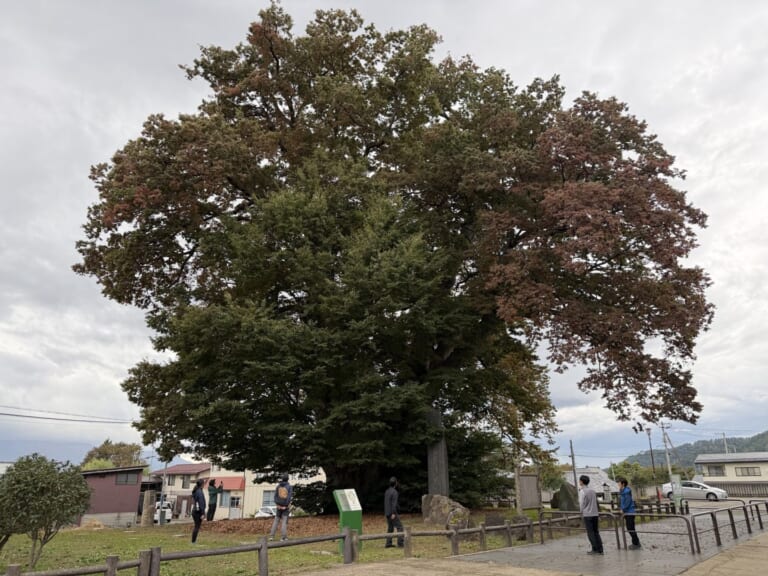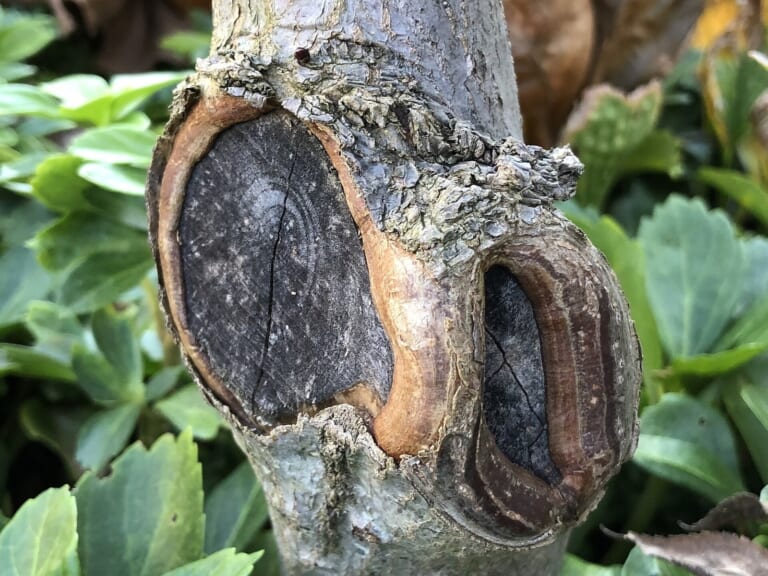
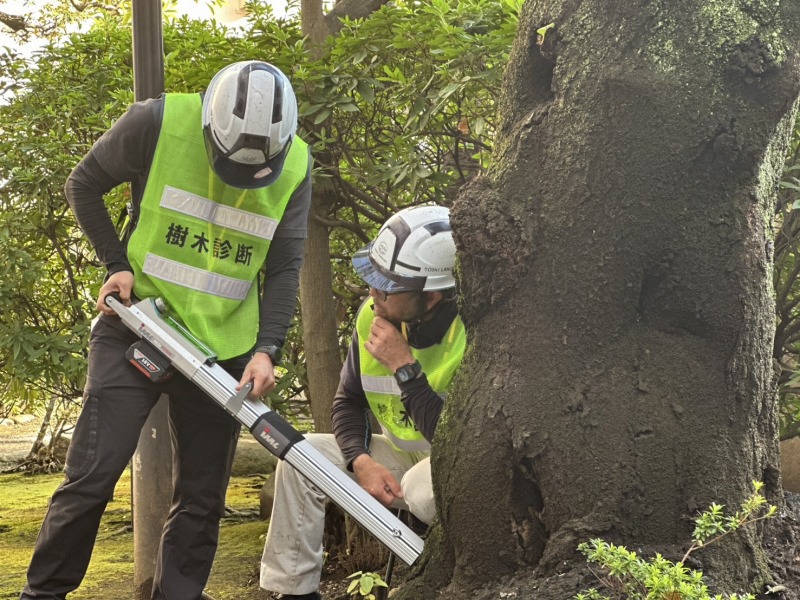
What is a jumoku-i? Japan's certified tree doctor system explained — training, exams, and how it differs from ISA arborist certification.
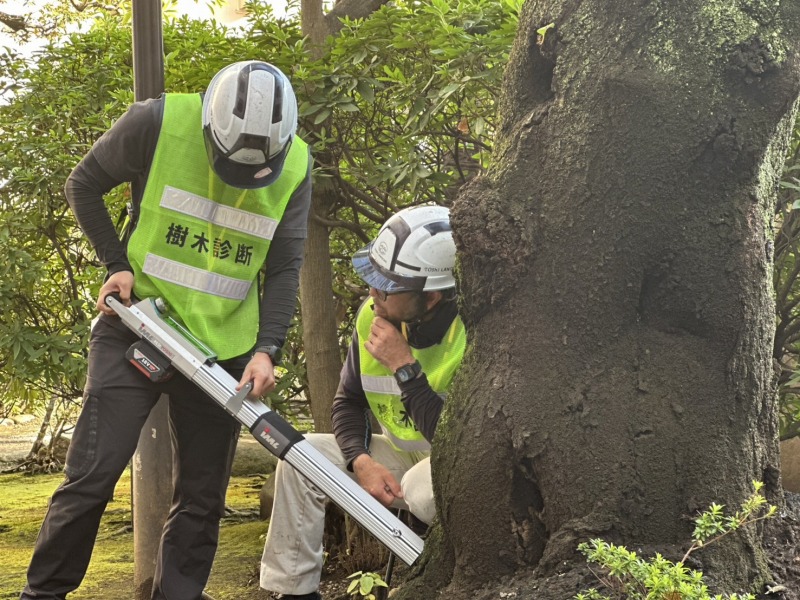
A Jumoku-i is a nationally registered tree specialist in Japan, certified in the diagnosis, treatment, and preservation of trees. The certification was established in 1991 by the Japan Greening Center under the supervision of the Ministry of Land, Infrastructure, Transport and Tourism. Approximately 3,200 Jumoku-i are registered across Japan (as of fiscal 2025).
What is the Jumoku-i Certification System?
The Jumoku-i certification was established in 1991 against a backdrop of growing awareness around urban greening, cultural property protection, and environmental conservation in Japan. It is recognized as a national registration qualification under the Ministry of Land, Infrastructure, Transport and Tourism, and is widely utilized in public works projects and the preservation of cultural assets. The qualification is also romanized as jyumoku-i, jumokushi or jumokuishi; all refer to the same national certification.
The certification is administered by the Japan Greening Center, which conducts a two-stage examination once a year. The overall pass rate is approximately 20–30%, making it one of the most rigorous specialist qualifications in Japan’s landscape and arboriculture sector.
How to Become a Jumoku-i
To sit the Jumoku-i examination, candidates must meet one of the following eligibility requirements:
- Completion of a university or graduate program in agriculture, forestry, landscape architecture, or a related field, plus at least 1 year of practical experience
- Completion of a high school or vocational program in a related field, plus at least 3 years of practical experience
- At least 7 years of practical experience in tree care or a related field
The examination takes place in two stages. The First Screening is a written examination consisting of multiple-choice and essay questions. Only the top 100–110 candidates from across Japan advance to the next stage. The Second Screening takes place at a research facility in Tsukuba City and involves approximately two weeks of intensive training, including written examinations across 16 subjects, tree species identification, and an interview.
Jumoku-i vs. ISA Certified Arborist: What’s the Difference?
The Jumoku-i is Japan’s equivalent of the ISA Certified Arborist (International Society of Arboriculture), but the two systems differ in several important ways.
| Jumoku-i | ISA Certified Arborist | |
|---|---|---|
| Established | 1991 (Japan) | 1992 (USA) |
| Administering Body | Japan Greening Center | ISA (International Society of Arboriculture) |
| Number of Holders | Approx. 3,200 | Approx. 31,000 (worldwide) |
| Examination Format | Written exam + residential training + practical skills | Written examination |
| Renewal | No renewal required (registration system) | Renewal every 3 years |
| International Recognition | Primarily Japan | Global standard |
Japan’s Jumoku-i system tends to require a longer training period and deeper specialist knowledge compared to the ISA certification. However, international awareness of the qualification remains limited — one of the key reasons this blog exists.
Frequently Asked Questions
Q. What is the difference between a Jumoku-i and a landscape gardener?
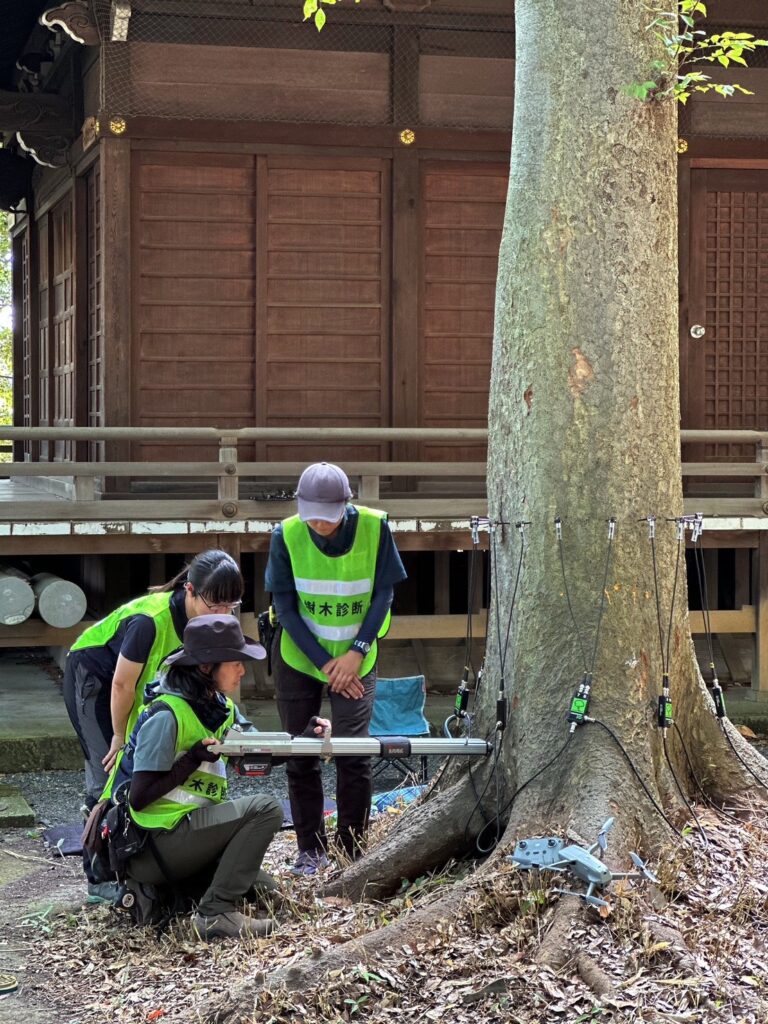
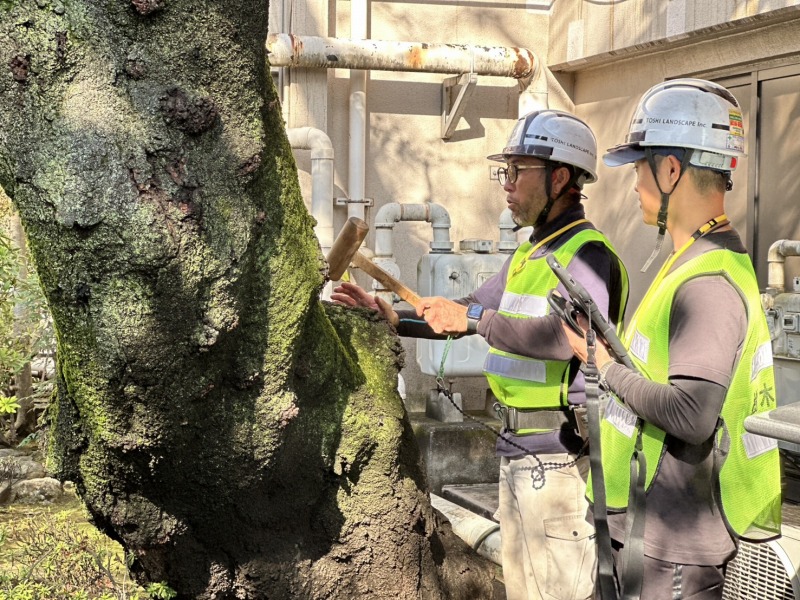
Landscape gardeners and garden designers primarily specialize in planting, construction, and design. A Jumoku-i, by contrast, specializes in the diagnosis, treatment, and preservation of trees. Think of it this way: a landscape gardener designs and maintains a garden, while a Jumoku-i acts as the tree’s doctor — diagnosing disease, assessing structural risk, and prescribing treatment.
Q. Can a Jumoku-i assess trees in a private garden?
Yes. Jumoku-i practitioners work across a wide range of sites — from private residential gardens to public facilities, shrine forests, and corporate grounds. Requests most commonly involve large trees with potential fall risk, or heritage trees that have not received professional care for many years.
Q. How much does a Jumoku-i tree diagnosis cost?
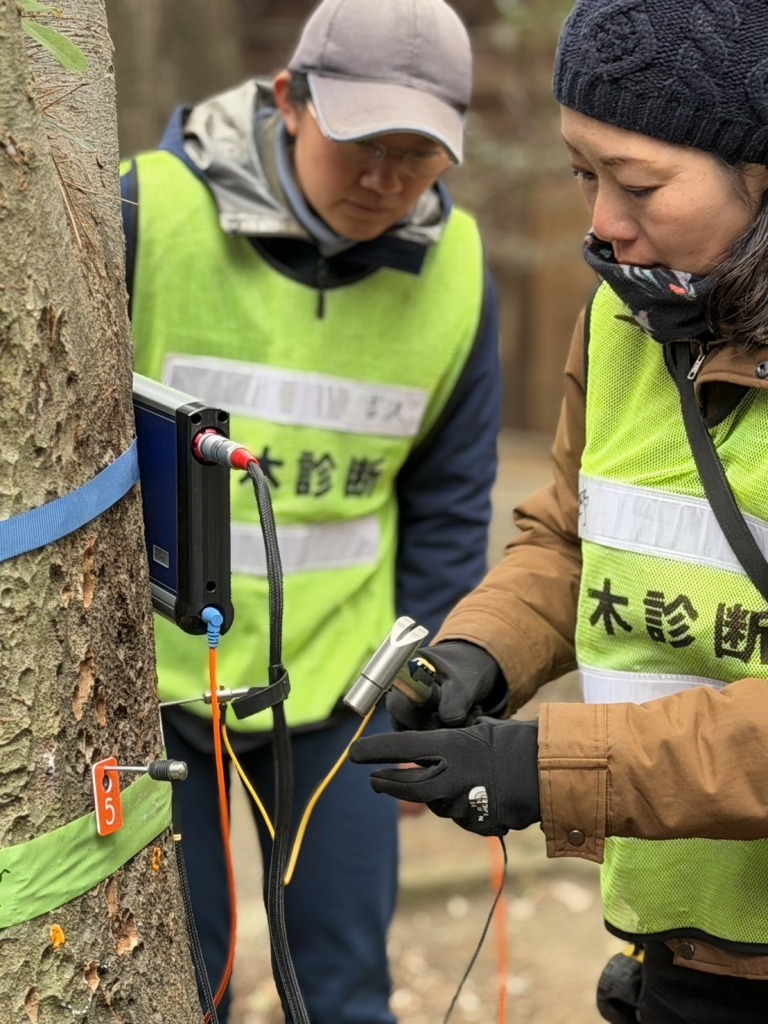
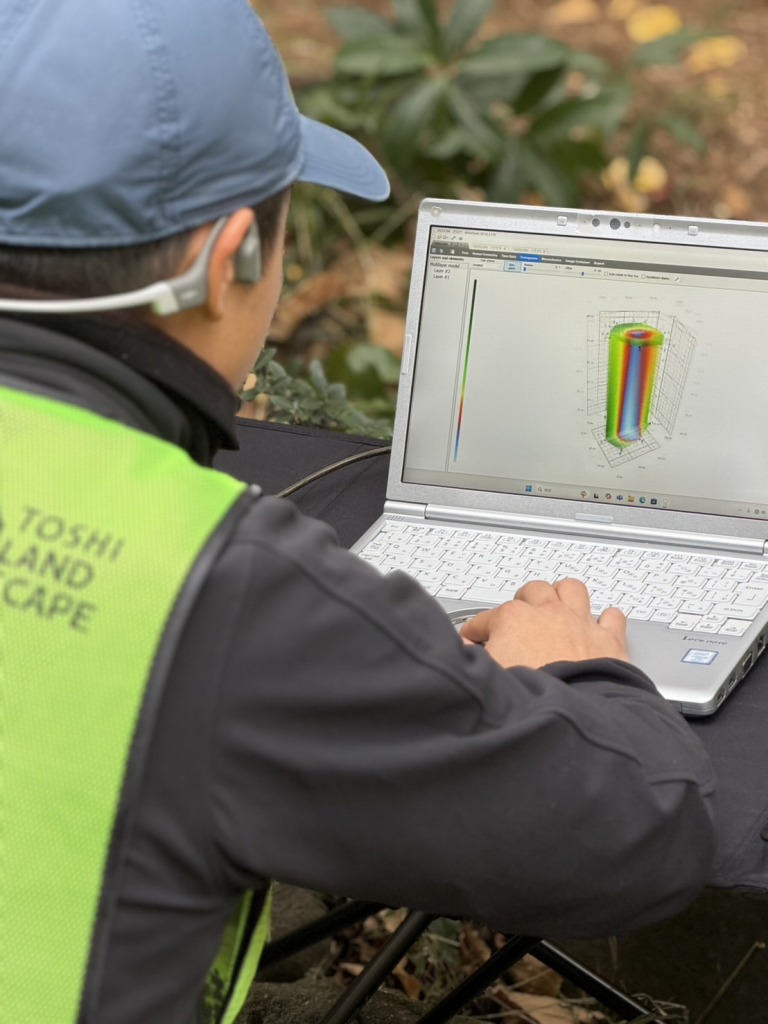
Costs vary depending on the scope of the assessment and the equipment used. A standard visual inspection typically starts at several tens of thousands of yen. A precision diagnosis using acoustic tomography or resistance drilling equipment may range from 100,000 to 300,000 yen or more.
Q. Where can I find a Jumoku-i?
The Japan Greening Center operates a Jumoku-i search system on its website, allowing you to find registered practitioners by region.
Q. Does the Jumoku-i certification need to be renewed?
Under the current system, there is no renewal requirement. The qualification operates as a registration system. However, ongoing participation in training programs and study sessions is strongly encouraged within the professional community.
Related reading
- How Sonic Tomography Works: Reading the ArborSonic 3D in Japan’s Tree Diagnosis
- How a Resistograph Works: Reading the IML-RESI PowerDrill in Japan’s Tree Diagnosis
- Aerial Tree Diagnosis at a Tokyo Temple: What Arborsonic 3D and Rope Climbing Revealed Inside the Trees
- How to Read Tree Decay Without Technology: Japanese Field Methods
- VTA vs. Jumoku-i: Comparing Two Tree Diagnosis Systems — Western Science Meets Japanese Expertise
Summary
The Jumoku-i is Japan’s unique certification for tree specialists — a rigorous, nationally recognized qualification held by approximately 3,200 practitioners across the country. Armed with advanced diagnostic equipment and deep specialist knowledge, Jumoku-i serve as the doctors of Japan’s urban trees, cultural heritage forests, and ancient heritage trees.
While the qualification remains little known internationally, its depth of expertise and structured education system represent something genuinely worth sharing with the world. That is precisely what this blog aims to do.
Field notes from Japan’s trees arrive a few times each month — subscribe via the form in the footer, or follow the work on LinkedIn.